
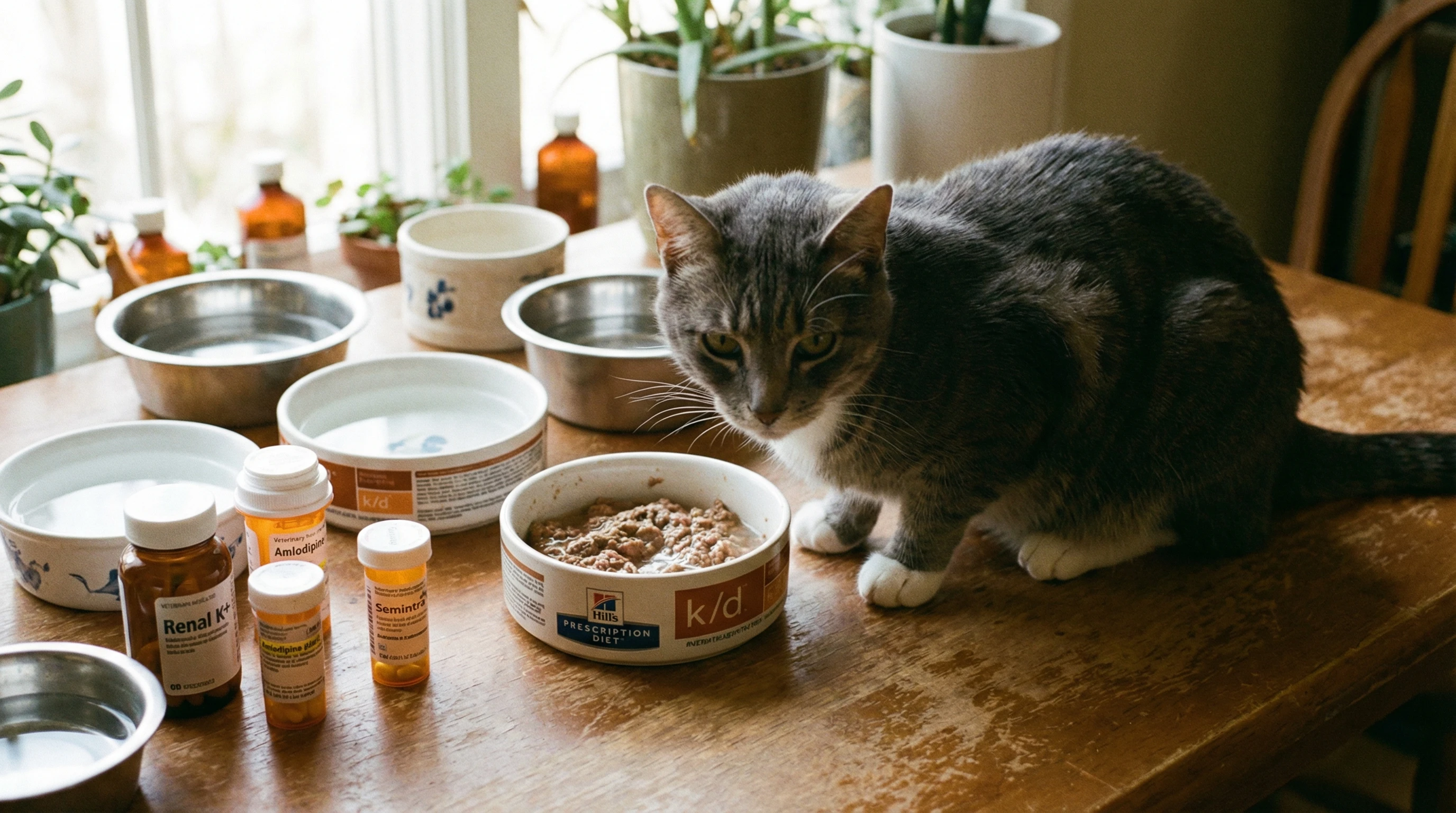
When a cat is diagnosed with chronic kidney disease (CKD), choosing the right food can really help with their comfort and quality of life. Nutrition becomes a pretty big deal because what your cat eats can make a huge difference in slowing down the progression of kidney problems and keeping them feeling good every day. If you’re new to this, finding your way through all the diet options and ingredient lists can be confusing, but don’t worry; there are foods out there specially designed for cats with CKD, and some basic tweaks to their diet can make things a lot easier for them, especially as their needs change.
I’ve spent plenty of time looking over vet recommendations and listening to other cat owners, so I’m sharing the basics and some handy tips to answer all the common questions about the best food for a cat dealing with kidney disease.
Why Diet Matters for Cats with Kidney Disease
Cats with chronic kidney disease have trouble filtering out waste from their blood. Kidneys that aren’t working well can cause toxins to build up, which leads to nausea, bad appetite, and sometimes dehydration. That’s why it’s really important to pick foods that are gentle on the kidneys and support their overall health. Your cat’s food needs to be easy to digest, tasty enough to encourage eating, low in certain minerals, and provide enough moisture to help with hydration. Getting the diet right can mean fewer flare-ups, more energy, and a happier kitty overall. Proper nutrition also supports your cat’s immune system, preserves muscle mass, and can slow the disease’s impact. And don’t forget: meal timing and consistency can make a cat with CKD feel more secure about eating, which helps, too.
Best Food to Feed a Cat With Kidney Problems
The gold standard for cats with kidney disease is a prescription renal diet, which is usually available from your vet. Brands like Hill’s Prescription Diet k/d, Royal Canin Renal Support, and Purina Pro Plan NF are formulated specifically for CKD. These foods are designed to offer:
- Low phosphorus levels—since phosphorus overload is tough on damaged kidneys
- Moderate protein—enough to maintain muscle, but not so much that it creates more kidney waste
- Increased omega3 fatty acids to help reduce inflammation in the kidneys
- Extra potassium for cats at risk of low potassium
- High moisture content (in canned formulas), which helps with hydration
Renal diets are available in both canned and dry forms. I always lean toward canned options when possible due to the added moisture, but if your cat turns their nose up at wet food, a dry renal diet is still far better than regular cat food. It’s key to work with your vet to figure out which style and flavor your cat will actually eat consistently, as eating at all is better than skipping meals.
What to Avoid Feeding Cats With Kidney Disease
Certain foods and ingredients can make kidney disease worse, so the following are best kept off the menu for cats with CKD:
- High phosphorus foods: Many commercial cat foods, especially those labeled for active or growth, have more phosphorus than a kidneyfriendly diet allows. Meats like liver, sardines, egg yolks, and some fish (including most tuna varieties) are high in phosphorus and should be limited.
- High protein, nonprescription diets: Foods designed for kittens or very active cats usually contain a lot of protein. That can stress tired kidneys by generating excess waste.
- Table scraps and treats: Cheese, lunch meats, and most human snacks have too much salt and phosphorus. Salty foods may also upset fluid balance in CKD cats.
- Unbalanced homemade diets: While some people try making homecooked meals, it’s really easy to get the nutrient balance wrong. If you go this route, your vet should help plan the recipes closely.
Sticking to a diet made for kidney care reduces the risk of extra kidney strain and supports stable blood chemistry.
Wet vs. Dry Food: Which is Better for Cats With Kidney Disease?
In almost every case, wet food is the better bet for a cat with CKD. Here’s why:
- Hydration: Wet food (canned or pouch) is made up of about 70-80% water. Cats are notorious for drinking too little, and kidney issues make them even thirstier. So every bit of water from food helps prevent dehydration.
- Palatability: Cats with kidney disease often lose their appetite. Wet food is usually tastier and easier to eat, especially for older cats.
- Custom Formulations: Prescription wet foods are designed to fit the dietary needs of CKD cats, and it’s easier to hide medicines in a soft meal.
Dry food can be used if your cat refuses wet options, but most vets recommend offering wet as much as possible, or mixing both to increase water intake. If you only have access to dry renal diets, consider adding lowsodium broth (no onions or garlic!) or water to the kibble to bump up moisture content.
Phosphorus & Tuna: Is Tuna High in Phosphorus for Cats?
Tuna is one of those foods cats love, but unfortunately, it’s not all that great for a kidney diet. Tuna (especially canned in brine or oil) is relatively high in phosphorus and sometimes contains more protein and salt than ideal for CKD cats. While a tiny bit of plain, lowsodium tuna as an occasional treat probably won’t do much harm, it shouldn’t become a mainstay in your cat’s diet. If your cat insists on eating something new, ask your vet about lowphosphorus treat alternatives. Also, remember that too much fish can throw off the balance of certain vitamins and minerals, so variety is key in any cat’s diet.
Popular Renal Diet Cat Foods: At-a-Glance
- Hill’s Prescription Diet k/d: A favorite for many cats, with options in both canned and dry form. Made to be gentle on kidneys with flavor cats often enjoy.
- Royal Canin Veterinary Diet Renal Support: Offers different flavors and textures (like morsels in gravy or loafstyle), making it easier to find one your cat likes.
- Purina Pro Plan Veterinary Diets NF: Commonly available, and works well for picky eaters who aren’t big fans of the other brands.
- Blue Buffalo Kidney + Mobility: Good for owners looking for an option with alternative protein sources, though still not a replacement for a true prescription diet if that’s needed.
It can take some trial and error to find a renal diet your cat actually wants to eat. Don’t be shy about sampling several and mixing things up to keep your cat interested. If your cat is refusing even prescription diets, ask your vet about appetite stimulants or flavor enhancers. Sometimes gently warming the wet food, or adding small amounts of tuna water (from tuna in water), can pique a cat’s interest without adding too much phosphorus or salt.
Everyday Tips for Feeding a Cat With Chronic Kidney Disease
- Offer several small meals a day if your cat refuses bigger meals. It’s easier on their stomach and often feels less overwhelming.
- Keep fresh water available at all times. Adding water fountains or multiple bowls can encourage drinking.
- If appetite is a serious problem, ask your vet about appetite stimulants or flavoring foods with tuna water (not brine/oil) or some warmed lowsodium broth.
- Avoid sudden diet changes; gradually transition over a week or two to avoid stomach upset.
- Keep their eating area quiet and stressfree. Loud noises or changes can discourage eating, especially if your cat is feeling unwell.
Vet Advice and Final Thoughts
Partnering with your veterinarian is really important when it comes to managing chronic kidney disease. Your vet can recommend the best renal diet, run regular blood tests to check phosphorus and potassium levels, and tweak your cat’s plan as things change. No single food is perfect for every cat, so regular checkups and staying flexible make a difference. Kidney disease can feel overwhelming at first, but getting your cat’s diet right can seriously give a boost to their comfort and extend their good days. Making small, steady adjustments and creating positive mealtime routines can help both you and your feline friend feel more confident as you handle this together.