Finding the right organic cat food isn’t always simple. I’ve spent years reading labels, listening to vets, and testing out various brands for my own furball. There’s a lot of buzzwords out there, like grain free, holistic, non-GMO, and it’s easy to get overwhelmed. But when it comes down to it, organic cat food is really about quality ingredients, transparent sourcing, and making sure that what goes in your cat’s bowl helps them thrive.
If you’re like me and want something a little better for your feline friend, switching to organic cat food is worth checking out. It often skips artificial preservatives, flavorings, synthetic pesticides, or antibiotics. Plus, it can make a real difference for sensitive tummies, shiny coats, and overall energy. I put together this all-in-one guide to the best organic cat food brands plus all the info you’ll want before grabbing your next bag or can.
1. Why Choose Organic Cat Food?
Organic cat food is getting popular for good reason. It usually means the ingredients are grown or raised without synthetic chemicals or unnecessary antibiotics. This matters because a lot of typical pet food uses fillers, low-quality byproducts, and chemicals that don’t add much nutrition. With organic kibble and canned food, you’ll often find humanely raised meats, whole grains, and organic vegetables.
Benefits I’ve Noticed:
- Fewer tummy upsets and less paw licking from food sensitivities
- Shinier, softer fur
- No mystery fillers or meat byproducts
- Some picky eaters (like mine) actually enjoy the taste more
If your cat struggles with stomach problems, dry skin, or you just want to support sustainable farming, going organic can be a smart move. For some cats, eating food with fewer pesticides and more high-quality protein means improved immune health as well, so you may notice fewer vet visits for minor issues. Vet studies show that organic diets can sometimes help with chronic itching or food intolerance symptoms, so it’s worth asking your vet if you’re unsure.
2. What Makes Cat Food Truly Organic?
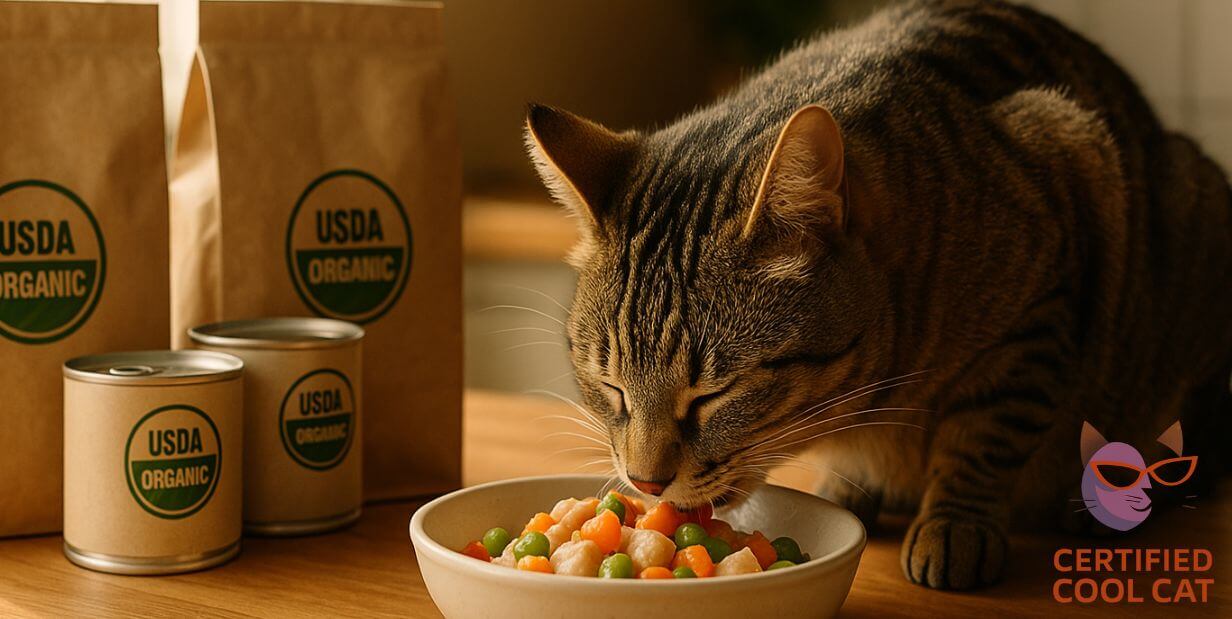
The food market is full of claims, so finding something truly organic takes a bit of digging. Cat food labeled as “organic” in the U.S. needs to meet USDA standards, which means at least 95% of the ingredients are certified organic. If it just says “made with organic,” that’s at least 70% organic ingredients, so check the label to see exactly what’s inside. Some companies even go the extra mile and use only non-GMO verified ingredients or focus on sustainability throughout their entire manufacturing process.
Things I Look For:
- USDA Organic seal on the package
- Clearly listed protein sources (like chicken or turkey, not “meat meal”)
- Short ingredient lists with recognizable foods
- No artificial preservatives, colors, or unnecessary grains
If in doubt, I always look up the company’s website. Most reputable brands have a page dedicated to explaining their sourcing and certifications. If you see a brand being open about where their ingredients come from, it’s a good sign that they care about transparency.
3. Top Organic Cat Food Brands I Trust
After tons of research (and trial runs with a sometimes finicky cat), I’ve narrowed down some brands that keep standing out for quality, transparency, and taste. If you’re shopping online or at your local pet shop, these are the brands I track down first.
Castor & Pollux Organix
Castor & Pollux’s Organix line is one of the most recognized organic options. Their recipes feature organic free-range chicken as the first ingredient, paired with organic peas, brown rice, and coconut oil. The dry food line is certified USDA Organic, and their wet foods use plenty of real, whole foods too. My cat loves the tiny kibble pieces, and I appreciate the lack of weird byproducts or fillers.
- Why I like it: Full transparency, humanely raised protein, and recipes for kittens, adults, or seniors.
Tender & True
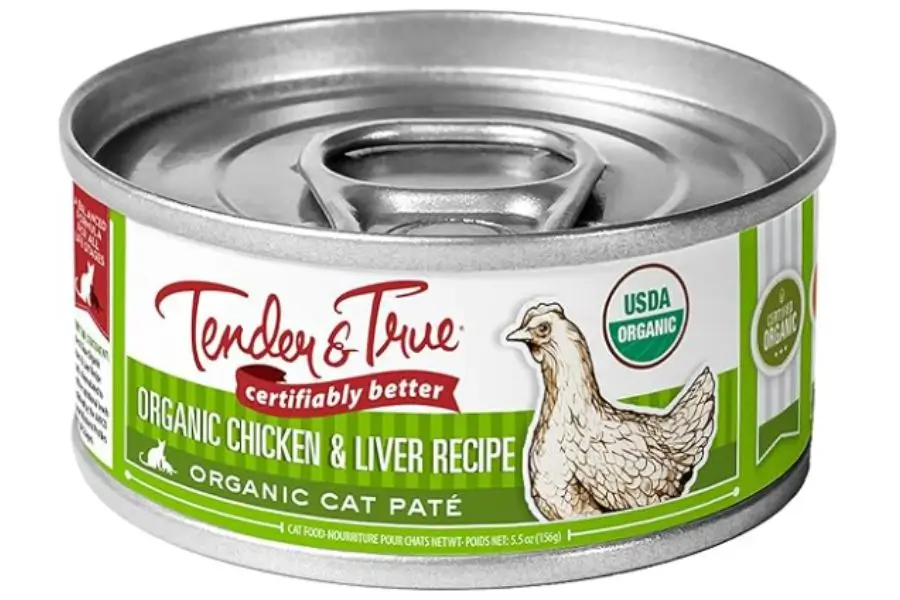
Tender & True made a splash as one of the first certified USDA Organic and Marine Stewardship Council (MSC) certified pet food brands. Their organic chicken and liver recipe scores big points at my house, and all their proteins are raised without antibiotics. Their fish recipes are great for cats with a chicken intolerance, and their limited ingredient formulas are simple but complete.
- Why I like it: Clearly labeled sourcing, grainfree and graininclusive options, and available in both dry and canned recipes.
Newman’s Own Organics
Newman’s Own has been around for a while and is easy to find in many grocery stores and pet retailers. The formulas are simple, and while the cat food selection is smaller than some brands, the ingredients are reliably clean. My cat seems to like their chicken & brown rice the best, and it’s got a soft texture that’s gentle on older cats’ teeth.
- Why I like it: Good price for organic, clear ingredient lists, and a brand with a solid history of giving back to animal causes.
Honest Kitchen
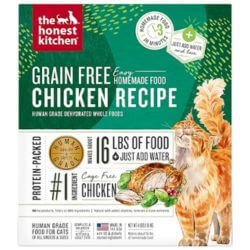
Honest Kitchen offers something a bit different: dehydrated, human grade cat food. Their grain free chicken recipe is popular with health-conscious pet owners. All their meats and produce are non-GMO and most are organic—even though not every formula is USDA Certified Organic, the majority of their ingredients are high-quality and gently processed to retain nutrients. Because of the way the food is made, nutrients stay locked in for better digestion, which can be especially helpful for sensitive cats.
- Why I like it: Easy to prepare (just add water), lots of protein variety, gentle on tummies, and made in the USA.
If you’re curious about raw food but want something less messy, Honest Kitchen’s style can be a nice transition. Their formulas let picky eaters get used to new textures without missing out on nutrition. Don’t forget to slowly introduce it over a few days for best results.
4. How to Safely Switch to Organic Cat Food
Cats have sensitive stomachs and don’t always love sudden changes. When trying any new food, especially a switch from conventional to organic, start slow. I like to mix in a little organic food with my cat’s current food, increasing the organic portion a bit more each day over a week until the switch is complete.
Tips for a Smooth Transition:
- Start with a 75% old/25% new food mix for a few days
- Watch for any changes in appetite, stools, or behavior
- Increase the amount of organic food every two days until you reach 100%
If your cat seems hesitant, adding a little warm water or mixing in an organic wet food can help. If your cat still resists or shows signs of digestive problems, it’s always smart to get advice from a vet, especially if you’re dealing with medical issues or food allergies. Try to keep feeding routines consistent, and be patient—some cats take a couple of weeks to fully adjust to a new food.
5. Reading the Ingredient List: What’s Inside Matters
Learning to read cat food labels goes a long way in picking the best food for your feline. I look for foods that list real meat or fish as the first ingredient, followed by organic whole vegetables and healthy fat sources. Avoid vague items like “meat byproducts” or “animal digest” and skip foods that rely heavily on corn, soy, or wheat. Reading the percentages on labels can also clue you into how much actual protein is in the food, which makes it easier to pick high-meat options.
Ingredients Worth Seeking Out:
- Organic chicken, turkey, beef, or salmon
- Organic sweet potatoes, carrots, or pumpkin
- Flaxseed, salmon oil, coconut oil for healthy fats
Ingredients to skip: artificial flavors, BHA/BHT, and any dyes or unnamed “animal” ingredients. These don’t bring any real value and could upset your cat’s digestion. Look for foods with limited ingredients if your cat has allergies, and always consider your pet’s age and activity level when picking a formula.
6. Budgeting and Buying Tips for Organic Cat Food
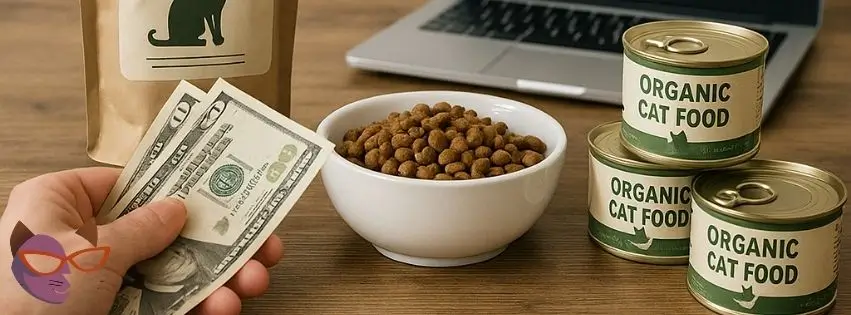 There’s no hiding it, organic cat food costs more than most standard brands. To balance the budget, I like to watch for sales, buy in bulk online, or sign up for pet store loyalty programs. Some brands even offer subscription services that ship food straight to your door at a discount. And if you’re feeding multiple cats, rotating between organic dry and canned food can help manage the cost without sacrificing quality.
If price is a concern, try stretching your dollar by combining smaller servings of organic food with regular premium brands—this way, your cat still gets the benefits without straining your wallet. Checking with local pet shelters or rescues sometimes leads to group-buy discounts, and community forums often post about seasonal deals.
7. Final Thoughts
Cat food has certainly evolved. Picking an organic cat food brand is really about paying attention and caring about what’s in your cat’s bowl. I’ve personally noticed better coat health, less throwing up, and a little more pep in my cat since making the switch. Every cat is unique, so it can take some trial and error, but the payoff is worth it if you want your furry friend to enjoy a long, healthy life.
Have you tried any of these organic cat food brands, or do you have another favorite? Share your cat’s story. I’m always looking to update my list with more purr-approved picks.
If you’re just starting to check out organic cat food, remember to consult your vet, especially if your cat has any special medical needs or tricky dietary issues. The extra effort can truly make a difference for your cat’s health and happiness over the years. Here’s to happy, healthy, and well-fed cats in every home!