
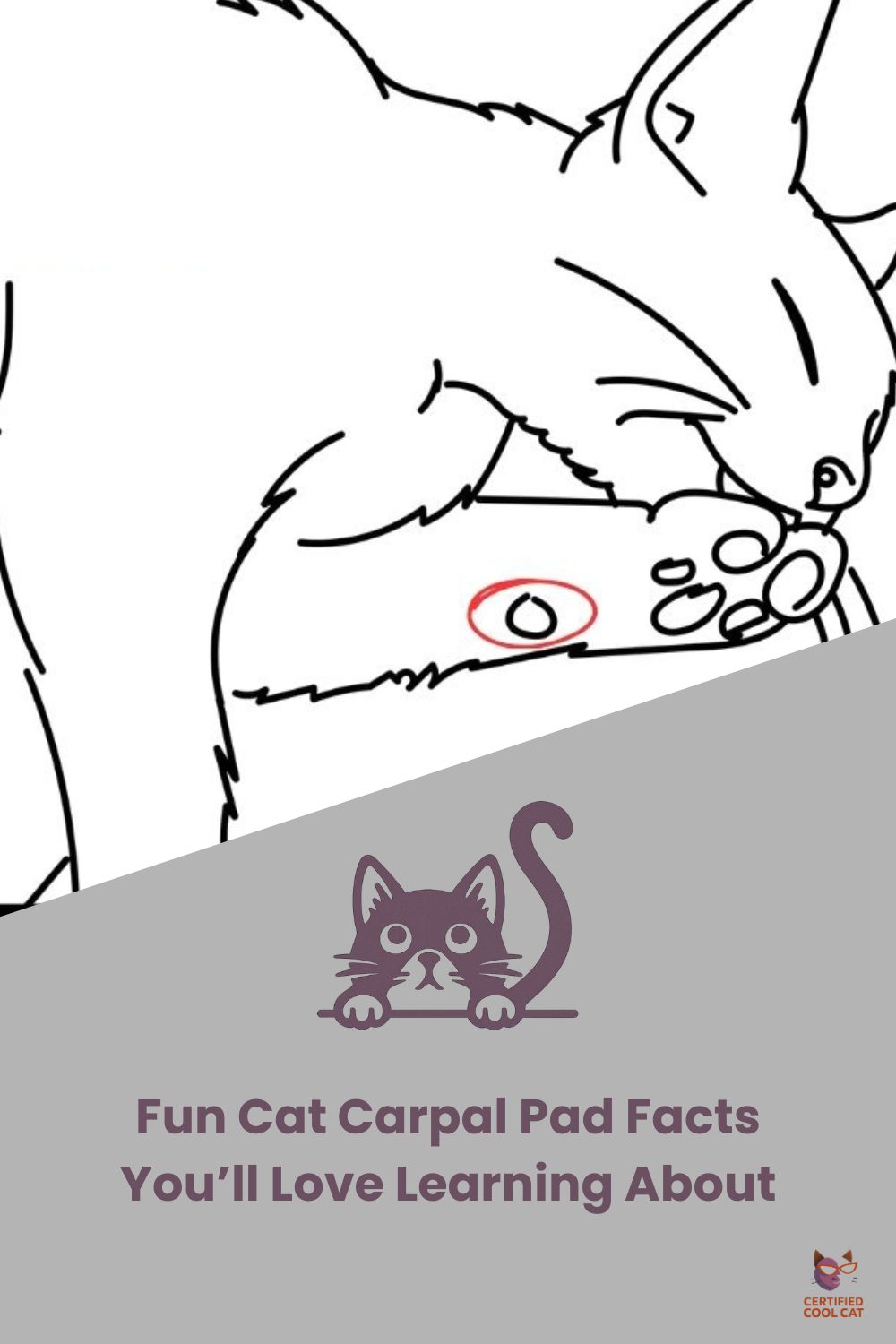
If you’ve ever noticed a small pad halfway up your cat’s front leg and wondered what it does, you’re not alone. Those mysterious little spots are part of feline anatomy most people overlook. Welcome to the world of cat carpal pad facts — the small but mighty details behind your cat’s balance, grace, and landing power.
Understanding your cat’s carpal pad isn’t just about trivia. It helps you spot signs of irritation early and care for those hard-working paws naturally. Let’s dive into what makes this overlooked feature so fascinating.
What Is a Cat’s Carpal Pad, Really?
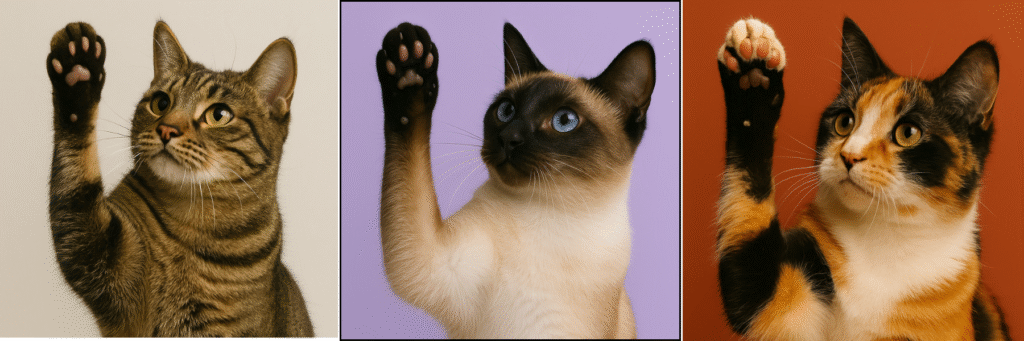
The carpal pad is that extra pad located above the paw on a cat’s front legs. You’ll find it sitting a few inches higher than the toe beans, near what we’d call the wrist.
Unlike the main paw pads, it doesn’t touch the ground with every step. Instead, it’s a cushion, brake, and sensor all rolled into one. Think of it as a natural safety feature that helps cats move with control and confidence.
If you’ve ever seen your cat leap off the couch, slide to a stop, or make a sharp turn, that small pad played a big part.
Fun and Weird Cat Carpal Pad Facts
Cats may act mysterious, but their anatomy gives away how clever nature really is. Here are some of my favorite cat carpal pad facts that show how weird — and amazing — this little pad truly is.
Nature’s Built-In Brake System
When cats run at top speed, the carpal pad acts like a brake pad. It grips the surface during quick stops and prevents sliding. It’s why your cat can go from “zoomies” to a perfect pose without wiping out on the floor.
The Shock Absorber for Superhero Landings
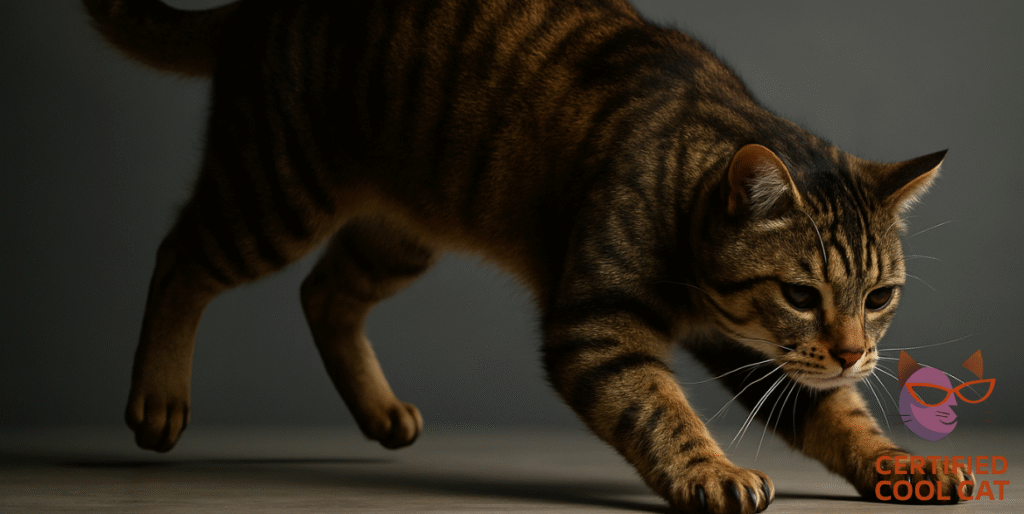
Every time a cat jumps, the carpal pad helps absorb impact before it reaches their joints. It’s part of their legendary landing skills. Even short hops from tables or shelves engage those pads, keeping their bones safe.
Big Cats Have Them Too
Tigers, lions, and leopards all share the same design. The carpal pad lets them stalk prey quietly and steady themselves before a pounce. Domestic cats inherited this same evolutionary upgrade — minus the jungle drama.
Sensitive Like Fingertips
The carpal pad has nerve endings that help cats sense texture and vibration. Before a jump, they can “feel” what kind of landing they’re about to face. It’s part of why cats always seem one step ahead.
A Secret Grooming Tool
Here’s a fun one: cats use the carpal pad as leverage during grooming. Watch closely and you’ll see them press it against their face or nose as they clean. It’s their version of a washcloth grip.
Evolution’s Forgotten Feature
In the wild, the carpal pad helped cats climb, sprint, and land on rough terrain. Indoor cats don’t rely on it as much, but evolution never ditched the design. Even your sleepy house cat still has the same hardware as their big-cat cousins.
When the Carpal Pad Needs Care
Even though the carpal pad isn’t as active as the toe beans, it still takes some wear and tear — especially for outdoor cats or those who love climbing furniture.
Signs of Pad Problems
- Cracks, dryness, or peeling skin
- Swelling, redness, or limping
- Constant licking or biting at the leg area
If you notice any of these, give the pad a gentle look. A clean, soft cloth and some warm water often do the trick.
Natural Ways to Protect Paw Pads
Caring for your cat’s paws doesn’t have to involve harsh products. Stick to eco-friendly options whenever possible.
- Use plant-based paw wipes to clean dirt and dust.
- Apply natural paw balm with shea butter or beeswax for moisture.
- Keep floors chemical-free by using non-toxic cleaners.
These small swaps protect not only your cat but also the planet.
When to See a Vet
Call your vet if you notice:
- Persistent swelling or bleeding
- Your cat avoids putting weight on the leg
- Deep cracks that don’t heal in a few days
Cats hide pain well, so even small pad problems can linger if ignored.
Eco-Friendly Paw Health Tips for Every Cat
Since the carpal pad connects to how cats move, keeping paws healthy is part of good eco-friendly care.
- Choose biodegradable litter that’s soft on paw pads.
- Avoid hot pavement or frozen ground for outdoor cats.
- Give your cat organic cotton mats to rest on.
- Use eco-friendly scratchers to let cats stretch naturally.
- Regularly check paws for debris, especially after outdoor time.
Each of these tips not only supports paw health but also lowers your home’s environmental footprint.
Quick FAQs About Cat Carpal Pads
Do all cats have carpal pads?
Yes. Every cat — big or small — is born with them. They’re part of the feline blueprint.
Do cats use them when walking?
Not usually. They engage when landing from jumps, running, or making fast turns.
Can the carpal pad get injured?
Yes. Outdoor cats, in particular, can scrape or irritate them. Keep an eye out for rough surfaces.
Do kittens have them too?
Absolutely. Kittens develop them before birth. Even before they open their eyes, those pads are ready to support their tiny adventures.
For more on feline anatomy, the ASPCA’s cat care resources have helpful guides that explain how each part works.
Conclusion: Celebrate the Unsung Hero of Cat Agility
The carpal pad doesn’t get the spotlight it deserves. It helps cats stop, land, climb, and clean — all without us noticing. Small, silent, and endlessly useful.
Next time your cat makes a graceful landing or stops on a dime, remember that tiny pad worked hard behind the scenes. A little appreciation (and some gentle, eco-friendly care) goes a long way.
After all, when it comes to happy paws, knowledge is the best kind of catnip.