

Compostable cat litter bags have picked up a lot of attention lately. Honestly, anything that makes scooping cat poop sound more glamorous deserves a closer look. Every day, scooping out litter means tossing used bags into the trash, so switching to a more sustainable option seems like a no-brainer.
Before swapping out the plastic, it’s really helpful to understand how compostable bags actually work, what makes them different, and how to use them responsibly. Here’s everything you need to know to use compostable cat litter bags the right way while doing your part for the planet.
What Are Compostable Cat Litter Bags?
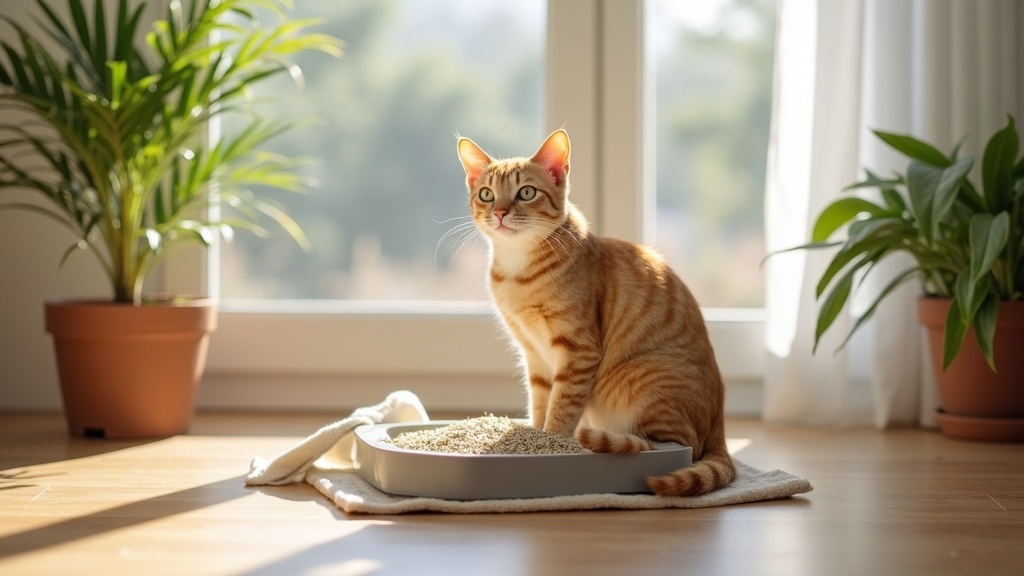
Compostable cat litter bags look pretty similar to regular plastic litter bags—kind of like when your cat looks ‘innocent’ after knocking your glass of water off the counter. The difference is all in the details. Instead of fossil fuel plastics, these bags break down a lot faster. Most are made from plantbased materials like cornstarch or PLA (polylactic acid), which means they can decompose naturally in the right conditions.
If you check the packaging, you’ll probably see terms like “ASTM D6400 certified” or “EN13432 compliant.” That’s just the manufacturer’s way of saying the bags have passed tests for compostability.
People often confuse compostable bags with biodegradable ones. The difference is in how they break down. Compostable bags turn into nutrient rich compost under the right conditions, while biodegradable bags might just break down into smaller plastic bits without fully disappearing.
So, compostable bags are a step ahead when you’re focused on real environmental benefits.
Can You Use Compostable Bags for Cat Litter?
You definitely can use compostable cat litter bags for scooping and tossing cat waste. Just don’t assume they’re magical portals to eco-heaven. They still need the right disposal, or you’re basically just gift-wrapping poop for future generations. The main purpose for these bags is to make litter box cleanup more ecofriendly. You scoop, tie off the bag, and then either place it in the trash or a suitable compost bin, depending on how you want to dispose of the waste.
However, just because a bag is compostable doesn’t mean the litter or cat waste inside is safe to compost everywhere. Most cities don’t allow pet waste in their municipal compost programs due to health concerns, since cat feces can carry parasites like Toxoplasma gondii. So, even if the bag would break down, what’s inside needs special handling. That said, if you have a dedicated pet waste composting setup (which I’ll get into shortly), compostable bags work pretty well. For anyone just tossing waste in the regular trash, compostable bags still offer an advantage over regular plastic since they’ll break down a bit more easily in landfill conditions.
Are Compostable Plastic Bags Really Compostable?
This is a big question a lot of people have, and honestly, it depends on the specific product and how it’s disposed of. Certified compostable cat litter bags can break down fully, but only if they get the composting spa treatment—heat, moisture, and oxygen. Toss them in a cold, dry backyard pile, and they’ll sit there like your cat waiting for dinner: endlessly, dramatically. That usually means they need sufficient heat, moisture, and oxygen, which is what you find in industrial composting facilities. These facilities keep things hot enough to trigger the breakdown process, and within a few months, the whole bag turns into compost.
At home, the results vary. Compostable bags don’t always decompose as quickly or completely in backyard compost piles, since home piles may not get warm enough. If a compostable bag ends up in a regular landfill, it might take longer to break down compared to an industrial composter, but it still typically breaks down faster than traditional plastic bags. I always keep an eye out for bags that carry trusted third-party compostable certifications (like BPI, TUV, or OK Compost) to have confidence they’ll actually break down, at least under the right conditions.
What’s the Most Ecofriendly Way to Dispose of Cat Litter?
The greenest way to dispose of cat litter is a mix of using sustainable products and following safe disposal methods. Here’s a quick look at options and a bit about the good and not-so-good with each:
- Compostable Bags + Trash: Using compostable bags and tossing them in the garbage cuts down on plastic waste, but the organic waste still ends up in landfill. It’s better than plastic, but not a perfect solution.
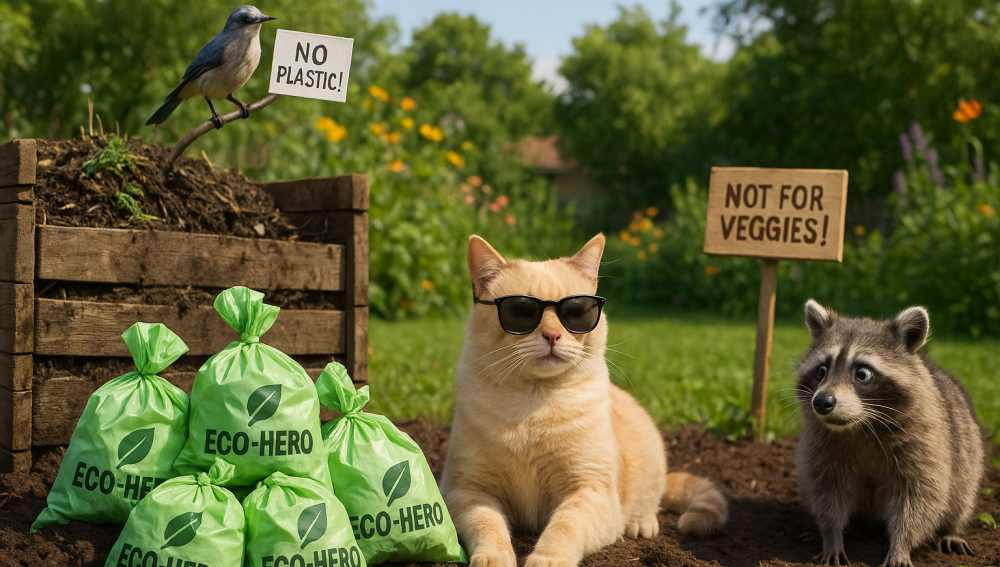
- Compostable Bags + Home Compost: If you’re composting at home, using compostable bags with a dedicated pet waste compost bin can work well for plant-only compost. The resulting compost isn’t suitable for edible gardens but works for ornamental plants.
- Municipal Green Bin (Where Permitted): Some communities allow compostable bags and pet waste in municipal organics bins. Check your local program before assuming this is okay, as many don’t permit cat waste due to those health concerns.
- Flushable Products: Some litters claim to be flushable, but most plumbers would rather wrestle an angry raccoon than deal with a cat-litter clog. Proceed with caution. Plumbing authorities often advise against flushing pet waste due to the risk of clogging pipes and spreading contaminants.
My go-to approach is to use compostable bags made from cornstarch or similar renewable resources, and then carefully check my city’s guidelines for disposal. Even if most bags still end up in landfill, compostable materials take some pressure off our overflowing landfills by breaking down more readily than plastic.
Is There a Way to Compost Cat Litter? (And Should You?)
You can compost cat litter at home if you’re using natural, plant-based litter (like wood, paper, or wheat-based products), but it takes some planning and attention to safety. Here’s how the process typically works:
- Scoop solid waste and place it in a separate compost bin just for pet waste. Always use gloves and keep this bin well away from food gardens.
- If you’re using compostable bags, make sure they’re certified to break down in home compost.
- Layer in carbon-rich materials (like dry leaves or sawdust) to help balance out odor and moisture.
- Compost for at least 18-24 months, turning the pile regularly for plenty of aeration. The heat and time break down pathogens. Still, I do not recommend using this compost for veggies or herbs ever; stick with nonedible ornamental plants.
Some commercial composters process pet waste, but it’s less common than programs for yard and food scraps. For those living in apartments or places without composting space, I stick with using the most ecofriendly disposable bags I can and always doublecheck local regulations.
Things to Consider When Shopping for Compostable Cat Litter Bags
A lot of compostable bags are available now, but there’s definitely some variation in quality. Here’s what I look for when comparing brands or products:
- Certification: Look for recognized compostable certifications (BPI, OK Compost, ASTM D6400, or EN13432). This tells you the bags are tested to break down properly.
- Material Type: Cornstarch, PLA, and PBAT are common materials. I usually prefer ones that avoid GMOs or unnecessary chemical additives.
- Thickness: Some compostable bags tear more easily. I read user reviews or try different brands to find one that’s sturdy enough for daily use without leaking.
- Bag Size: Make sure the bag is large enough for your litter scoop and easy to tie off once full.
- Packaging: Sometimes, even “eco” products come wrapped in plastic. The best brands use recycled or recyclable paper packages.
I also like to check the manufacturer’s website for details on where the product is made and any transparency about sourcing or production. Brands that go the extra mile with “closed loop” production or strong community support are worth supporting. If you want to get even more detailed, see if the bag’s compostability is backed by real world third-party testing, as that gives more confidence in its breakdown ability. Some brands also explain if their bags work in both industrial and backyard composting programs, which is great if you want options for future disposal.
It can also help to check out user experiences or ratings, especially about things like odor control and ease of tying the bags. Small details can make every day scooping a little easier and more pleasant. Remember, not all ecofriendly bags are created equal, so a little research goes a long way in choosing the best fit for you and your cat.
Frequently Asked Questions
Here are the answers to some of the most common questions I hear from fellow cat owners about compostable cat litter bags:
Can you put cat litter in compostable bags?
Yes, but if you’re putting the whole package in a compost pile, only use natural litter, not clay or silica, which won’t break down. Always doublecheck local guidelines first.
Do compostable bags really compost in the landfill?
They break down more quickly than plastic, but landfill conditions slow things down since they’re low on oxygen and moisture. Still, compostable bags tend to disappear a lot faster than regular plastic bags.
Are compostable bags safe for all types of litter?
Most bags work fine for any scoopable litter, but composting only works with plant-based products, never clay, silica, or heavily scented formulas.
What if my city doesn’t compost pet waste?
If there’s no municipal composting for pet waste, compostable bags are still greener than plastic. They lower microplastic pollution and use renewable materials, even if they head to landfill.
Wrapping Up
Switching to compostable cat litter bags makes day-to-day cleanup a little less wasteful. It won’t turn scooping into your favorite hobby (let’s be real, nothing will), but at least you can feel smugly eco-friendly while doing it. The bags can handle everyday scooping and disposal, plus they break down a lot faster than regular plastic.
Composting cat litter at home is possible for folks ready to set up a dedicated system, but using compostable bags is a practical option for almost everyone. Always check for trusted certifications, and stay up to date on local disposal rules to do the most for your household, your pets, and the environment.