
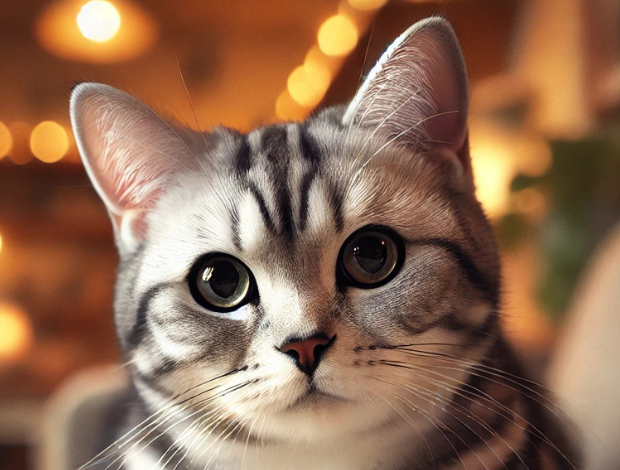
I know, cats have always had this air of mystery around them, right? As cute as they are enigmatic, our purring companions have got layers. Let’s look at some interesting facts on cats to unlock some of their mysteries.
While there’s plenty of chatter about cats, some facts really upend what we think we know.
Ever heard that cats are all about independence and solitary vibes? Well, that’s not the whole scoop. Sure, they do their own thing, but there’s a surprising amount of science and history woven into their everyday antics.
It’s pretty important to get our facts straight if you’re a cat owner or just a fan. Not just for the trivia (though that’s always fun!) but because understanding them better can really amp up that human-feline bond.
So, what’s the deal? I’m here to bust some myths and shine a light on those five fascinating feline facts that’ll make you go, “true story?” Trust me, you’re in for a treat!
Fact #1: Cats’ Whiskers Are More than Just Hair
Whiskers, those adorable facial features on your cat, aren’t just there for style. They’ve got some serious jobs to do. They’re rooted deeper than normal fur and packed with nerve endings that give them super sensory powers.
These furry feelers help cats understand their surroundings like pros. From judging the width of a gap to sensing nearby movement, whiskers make James Bond look like an amateur. Your kitty’s whiskers can even pick up on changes in the air, which helps them navigate in the dark or through tight spaces.
There’s also an emotional angle to whiskers—if they’re stiff or pulled back, your feline might be stressed or upset. So, spotting these subtle shifts can be super helpful in understanding your pet’s mood. A little tip: avoid touching or trimming them to keep your kitty comfy and in control.
When a cat is in a dark habitat looking for mice or other food sources the whiskers move rapidly in a cyclic way moving the whiskers around in a tight circle pattern. This is called whisking and really helps the whiskered critters in their hunting.
When it comes down to it, whiskers are your cat’s secret weapon against the world—keeping them safe, smart, and super stealthy!
Fact #2: The Quirky Communication Patterns of Cats
When you hear a cat meowing, it’s not just random noise. Cats have a whole secret language tailored just for us humans. While kittens use their voices with their moms, adult cats use meows primarily to communicate with people. An orchestra of charming—and sometimes demanding—sounds!
Now, purring is another story, right? It’s not just a cat version of a smile. Cats purr for all sorts of reasons beyond feeling comfy and loved, like self-soothing when they’re stressed or even when they’re a bit under the weather.
And let’s not overlook body language. A twitching tail or a slow blink can say more than you’d think. Ever noticed how cats have a “silent meow”? It’s usually part of their private chat-game, mixing physical cues with vocal ones.
Understanding these cues isn’t just fun—it’s a game-changer. Picking up what your cat’s putting down means you can better meet their needs, and honestly, it deepens that human-feline friendship. So, next time your kitty talks, tune in—they might just be sharing something important!
Fact #3: The Surprising Relationship Between Cats and Water
Not all cats react to water like it’s their arch-nemesis. Sure, many keep a safe distance, but here’s the plot twist—some cats actually adore water! It’s not unheard of to find a cat watching droplets with fascination or casually trying to sneak a paw under a running tap.
Despite popular belief, certain cat breeds like Bengals and Maine Coons often enjoy playing with water. These felines come from lines that might have had to swim for survival at some point, making them more open to getting their paws wet.
Many house cats aren’t keen on baths, and who can blame them? Their unique fur texture isn’t built for soaking, plus they can get a bit chilly. But a fascination with a dripping faucet? Totally different story.
If your cat is one of those rare water fans, providing a small water fountain can enhance their environment. It’s a chance to play, drink, and just satisfy that innate curiosity cats are famous for.
Understanding your cat’s view of water can be quite insightful. If they’re a water lover, it’s a neat way to enrich their day; if not, well, giving them enough fresh, clean water for drinking is just fine.
Final Thoughts
Your cat has a few unique things about it. I hope this article gave you some new cat facts that you weren’t aware of. If you have any cat facts of your own, or want to give your take on this article please leave your thoughts below. And now for the wrap-up.
Whiskers aren’t just hair. They are the cats feelers for the environment so they can navigate their world comfortably. Cats don’t normally like their whiskers to be touched by you because they are sensitive and can get easily fatigued. It’s even considered good practice to not touch the edges of your cats food and water bowls as even that can lead to whisker fatigue. So sensitive!
Communication is key- and cats do it in droves. They do it differently with their siblings than they do with us humans. Purring has many meanings including contentment, self-soothing for stress, or showing signs of being ill. Body language is another way to communicate for Fluffy. Tail-wagging can mean excitement. A slow-blink can be a sign of their approval.
Cats and water sports- do they jive? Some cats love it and some don’t. Maine Coons-the big softies- are one of the former and it might be an instinct they acquired from their ancestors. Shorthairs generally hate baths. You might get injured if you try to bathe these breeds of cats and you don’t know what you are doing. If they like water, then get a small fountain for them to play in.