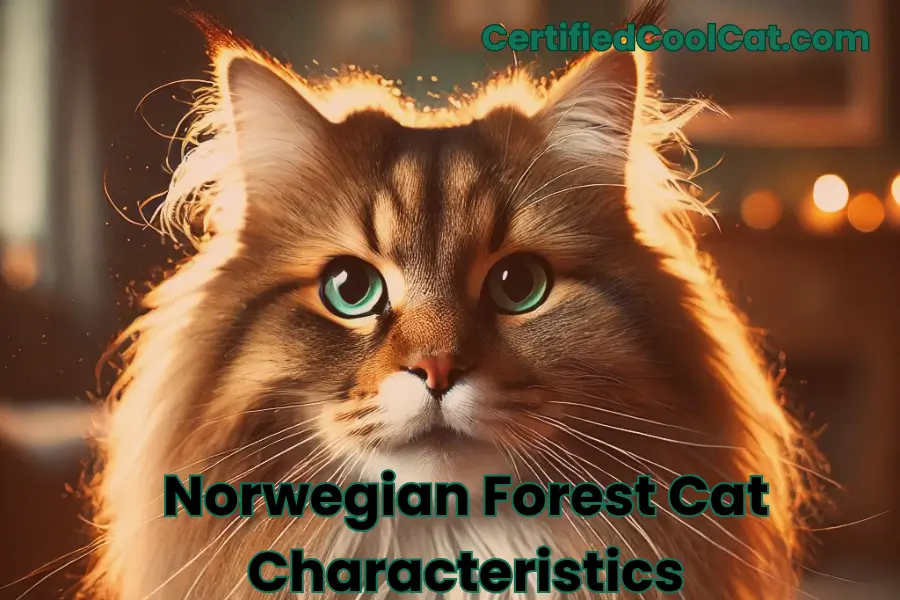
The Norwegian Forest Cat, often called the Wegie, is a stunning and majestic breed with a rich history. Many cat owners wonder if their feline friend might have Norwegian Forest Cat characteristics, especially if their cat has a thick coat and a strong, independent personality.
What are the characteristics of a Norwegian Forest Cat?
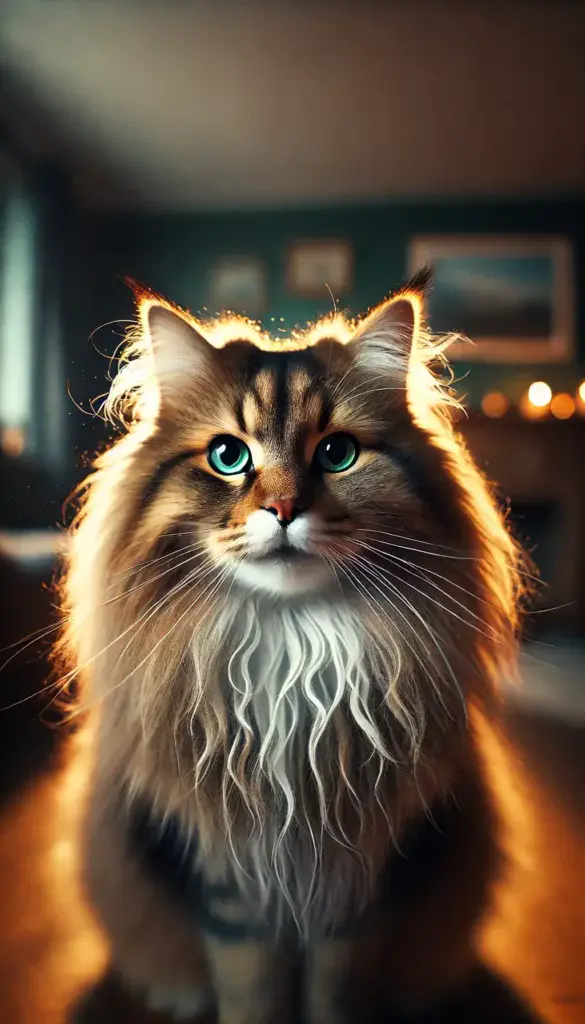
Norwegian Forest Cats are large, muscular cats with long, water-resistant double coats, triangular faces, tufted ears, and big, snowshoe-like paws. They are independent yet affectionate, enjoy climbing, and have soft chirping vocalizations instead of loud meows. Their intelligent, playful nature makes them great problem solvers. Originally Viking ship cats, they thrive in cold weather and require regular grooming due to seasonal shedding.
These cats were built to survive the harsh Norwegian winters, making them excellent climbers and hunters. If you’ve ever looked at your cat and thought, Could they be a Wegie?, this guide will help you determine if your cat has the defining Norwegian Forest Cat characteristics.
1. Understanding Norwegian Forest Cats: A Quick History
- Origins in Norway – This breed has existed for centuries, naturally adapting to Norway’s cold climate.
- Viking Ship Cats – They were likely used on Viking ships to keep rodent populations under control.
- Recognized Breed – Officially recognized as Norway’s national cat and accepted by cat registries worldwide.
2. Physical Norwegian Forest Cat Characteristics
2.1 Size & Build: A Majestic Large Cat
Norwegian Forest Cats are large, muscular felines with long frames. Males typically weigh 12-16 pounds, while females range from 9-12 pounds. Their strong, sturdy legs allow them to be excellent climbers, and their large paws often feature tufts of fur between their toes, acting as natural snowshoes.
2.2 Luxurious Double Coat: Built for Harsh Weather
- Water-resistant fur helps them withstand rain and snow.
- Double-layered coat:
- Undercoat: Thick and woolly for warmth.
- Topcoat: Long, glossy, and repels moisture.
- Seasonal shedding – Heavy shedding occurs in spring and fall.
- Common colors: Over 60 variations, including tabby, white, black, and tortoiseshell.
2.3 Distinctive Facial Features
- Triangular head shape – Narrower than round-faced breeds.
- Large, almond-shaped eyes – Colors range from green and gold to copper.
- Tufted ears – Resemble lynx ears with fur growing outward.
- Strong jawline – Gives them a regal and wild appearance.
3. Personality & Behavior Traits
3.1 Independent Yet Affectionate Nature
Norwegian Forest Cats enjoy human companionship but are not overly demanding. They form strong bonds with their owners while maintaining their independence. Unlike lap cats, they prefer being near their humans rather than constantly on them.
3.2 Intelligent and Playful
These cats are highly intelligent and require mental stimulation. They enjoy puzzle toys, interactive play, and even learning tricks. Some Norwegian Forest Cats have even been trained to fetch!
3.3 Natural Climbers and Hunters
- Powerful jumpers with strong back legs.
- Often found perched on high bookshelves or cat trees.
- Enjoys exploring outdoor spaces if safely enclosed.
3.4 Unique Vocalization: Chirps Over Meows
Unlike breeds known for loud meows, Norwegian Forest Cats chirp and trill. They use their soft voices to communicate rather than engaging in excessive vocalization.
4. How to Tell If Your Cat Is a Norwegian Forest Cat
| Characteristic | Description |
|---|---|
| Size | Large and muscular, males weigh 12-16 lbs, females 9-12 lbs. |
| Coat | Thick, water-resistant double-layered fur for cold weather. |
| Face Shape | Triangular head, large almond-shaped eyes, tufted ears. |
| Personality | Independent yet affectionate, enjoys human company but not overly clingy. |
| Vocalization | Soft chirps and trills instead of loud meows. |
| Climbing Ability | Excellent climbers, prefer high perches and cat trees. |
4.1 Key Traits That Indicate Your Cat Might Be a Wegie
- Large size and muscular build.
- Long, water-resistant fur with an insulating undercoat.
- Triangular face with large, expressive eyes.
- Enjoys climbing and high perches.
- Chirps and trills instead of loud meows.
- Independent yet affectionate personality.
4.2 Traits That Suggest Your Cat Is Not a Norwegian Forest Cat
- Short-haired coat – Norwegian Forest Cats always have long fur.
- Round or compact body shape – They have a long, lean frame.
- Prefers ground over climbing – Wegies love heights.
- Loud, frequent meowing – They are typically soft-spoken.
5. How to Care for a Norwegian Forest Cat (Or a Lookalike!)
5.1 Grooming Needs
- Brush 2-3 times a week to prevent matting.
- Increase brushing during shedding seasons.
- Check for tangles behind ears, under legs, and tail base.
5.2 Diet & Nutrition for a Healthy Wegie
- High-protein diet with real meat as the main ingredient.
- Low-carb, grain-free food for digestive health.
- Omega fatty acids to maintain a glossy coat.
5.3 Living Environment & Space Needs
- Needs a tall cat tree or access to high perches.
- Benefits from outdoor enclosures or safe roaming areas.
- Requires mental stimulation to prevent boredom.
6. Common Health Concerns in Norwegian Forest Cats
- Hypertrophic Cardiomyopathy (HCM) – A genetic heart condition.
- Glycogen Storage Disease (GSD IV) – Rare but serious metabolic disorder.
- Hip Dysplasia – Can occur due to their large size.
- Dental issues – Regular check-ups are essential.
7. Fun Facts About Norwegian Forest Cats
- Known as “Skogkatt” (Forest Cat) in Norway.
- Featured in Norse mythology as Freyja’s mystical companions.
- Officially recognized as Norway’s national cat.
- Some have extra toes (polydactyl trait) for better snow traction.
FAQs About Norwegian Forest Cat Characteristics
1. Do Norwegian Forest Cats get along with other pets?
Yes! They are generally friendly and adaptable, getting along well with other cats and even dogs. However, proper introductions are key.
2. How do I know if my Norwegian Forest Cat is purebred?
A purebred Wegie will have a pedigree from a registered breeder. Otherwise, a DNA test can help confirm ancestry.
3. Do Norwegian Forest Cats require a lot of exercise?
They are active cats that love climbing and exploring. Providing cat trees and interactive toys will help keep them happy.
Conclusion: Is Your Cat a Wegie?
If your cat has many of these Norwegian Forest Cat characteristics, they might be a Wegie or a mix! While a DNA test is the best way to confirm, understanding their traits can help you better care for them.
Would you like to share a photo of your cat? Drop a comment below and tell us about their Wegie-like traits!