
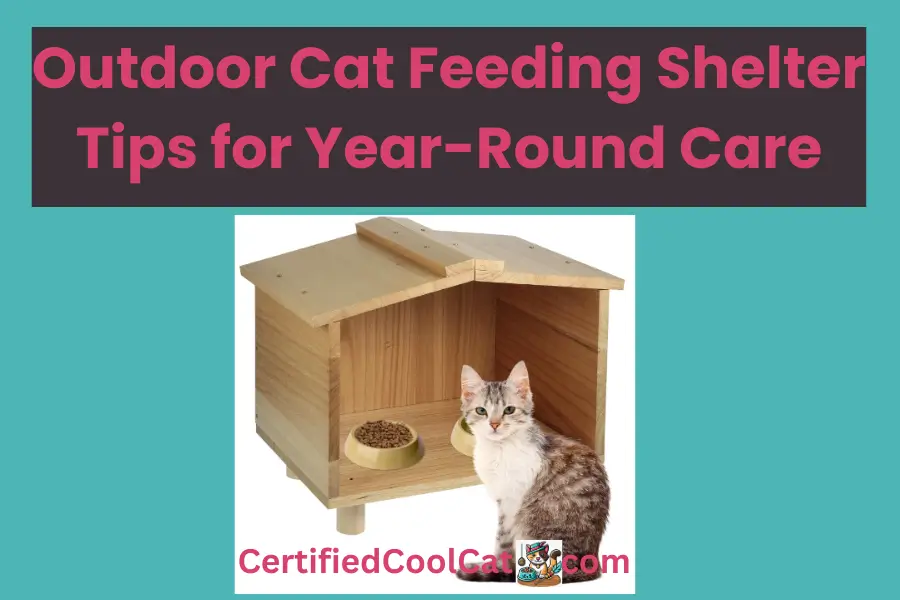
Outdoor cats deserve a safe, comfortable space to eat, especially when weather conditions aren’t on their side. An outdoor cat feeding shelter can make all the difference, protecting their food, providing a consistent dining spot, and giving you peace of mind as a caregiver. Whether you’re a seasoned outdoor cat enthusiast or just getting started, this guide will walk you through everything you need to know about feeding shelters, from types and features to troubleshooting common problems.
What is a Outdoor Cat Feeding Shelter and What does it do? An outdoor cat feeding shelter is a protected space designed to keep food dry and accessible for outdoor cats while shielding them from harsh weather and pests. It ensures a consistent feeding spot, protects meals from rain, snow, and heat, and offers safety from predators. Feeding shelters are essential for improving outdoor cats’ well-being, providing them with reliable care, and helping caregivers maintain a clean and secure feeding area.Why Outdoor Cats Need Feeding Shelters
Benefits of Feeding Shelters for Outdoor Cats
- Weather Protection: Outdoor cats face the harsh realities of rain, snow, and extreme heat. Feeding shelters keep their meals dry and prevent food from freezing or spoiling.
- Safety First: A well-designed shelter can deter pests like raccoons and squirrels while giving outdoor cats a secure space to eat.
- Reliability: By setting up a designated feeding shelter, outdoor cats know where to find food, helping you maintain a consistent feeding routine.
Common Misconceptions About Feeding Shelters
- “Outdoor cats don’t need help—they’re independent.” While cats are resourceful, consistent access to food and shelter improves their health and survival.
- “Feeding shelters will attract more pests than cats.” Proper shelter designs and placement can minimize pest issues.
- “If I feed them, they’ll never leave.” Feeding outdoor cats doesn’t “trap” them; it simply provides them with the care they need.
Types of Outdoor Cat Feeding Shelters
Pre-Made Feeding Shelters
- Weatherproof Models: Made from durable materials like plastic or treated wood to handle year-round conditions.
- Insulated Options: These are especially useful in colder climates, keeping food accessible even in freezing temperatures.
- Dual-Purpose Designs: Shelters that combine feeding stations with sleeping compartments for added functionality.
DIY Outdoor Feeding Shelters
If you love hands-on projects, building your own shelter can be rewarding. Here are some basics:
- Materials You Can Use:
- Plastic storage bins with lids.
- Wooden pallets for sturdy bases.
- Recycled styrofoam coolers for insulation.
- Steps to Build a Simple Shelter:
- Cut an entrance that’s big enough for a cat but small enough to keep larger animals out.
- Add waterproofing with tarps or plastic sheeting.
- Elevate the shelter to prevent water damage.
How to Choose the Right Feeding Shelter
Factors to Consider
- Number of Cats: A single-cat shelter is perfect for occasional visitors, while colony caregivers need larger, multi-cat shelters.
- Weather Resistance: Choose shelters with waterproof materials and insulated options if you’re in a cold climate.
- Placement: Think about where you’ll place the shelter—compact designs are ideal for small spaces, while larger setups work for open yards.
- Ease of Maintenance: Select a shelter with easy access for cleaning and refilling food to save yourself time and effort.
Some links on CertifiedCoolCat.com are affiliate links, meaning I may earn a commission—at no extra cost to you. I only recommend products I trust for happy, healthy cats. As an Amazon Associate, I earn from qualifying purchases.
Best Products and DIY Plans for Outdoor Cat Feeding Shelters
Top Pre-Made Outdoor Cat Feeding Shelters
- K&H Outdoor Kitty House: A weatherproof, insulated shelter with two exits for safety. Great for single cats or small groups.
- PawHut Weatherproof Outdoor Cat Shelter: Spacious and durable, ideal for multi-cat households or colonies.
- Petmate Wooden Shelter: Eco-friendly, stylish, and functional with a rain-resistant roof.
DIY Shelter Plans
- Affordable DIY Kit: The Ark Workshop’s DIY Cat Shelter Kit provides pre-cut materials for easy assembly.
- And This Plan For A Outdoor Cat Feeding Station…
Troubleshooting Common Problems
Keeping Food and Cats Safe
- Dry Food During Rain: Use covered feeding shelters or place food under a small roofed area to keep it dry.
- Preventing Pests: Install weight-sensitive feeders to limit access to cats only.
- Managing Extreme Weather: Use heated bowls to prevent water from freezing and insulate shelters for winter.
Encouraging Cats to Use the Shelter
- Place the shelter in a quiet, semi-hidden spot for comfort.
- Attract cats with familiar smells like food, catnip, or even their blanket.
- Allow cats to explore the shelter on their own time without forcing them in.
Tips for Long-Term Maintenance
- Clean the shelter regularly to prevent odors or mold buildup.
- Replace insulation or worn-out materials as needed.
- Check the shelter after storms to ensure it’s still secure and functional.
FAQs About Outdoor Cat Feeding Shelters
| Category | Details | Tips and Examples |
|---|---|---|
| What is it? | A protected space for outdoor cats to eat safely, shielded from weather and pests. | Keeps food dry, prevents spoilage, and deters predators like raccoons. |
| Benefits | – Protects food from rain, snow, and heat. – Provides a reliable feeding spot. – Improves cat safety. |
Encourages consistent feeding routines and shields cats from harsh weather. |
| Types of Shelters | Pre-Made Shelters: Durable, ready-to-use. DIY Shelters: Cost-effective and customizable. |
Examples: K&H Outdoor Kitty House, plastic bins for DIY projects. |
| Features to Consider | – Weather resistance for year-round use. – Size to fit one or multiple cats. – Easy maintenance. |
Waterproof models, insulated options, and multi-cat shelters for colonies. |
| DIY Shelter Steps | 1. Use plastic bins, wood, or styrofoam. 2. Add waterproofing and insulation. 3. Cut a cat-sized entrance. |
Elevate shelters to prevent pooling water and protect food from pests. |
| Common Problems | – Pests stealing food. – Food spoilage from weather. – Cats hesitant to use the shelter. |
Use weight-sensitive feeders, covered compartments, and attract cats with familiar scents. |
| Maintenance Tips | – Clean regularly to prevent odors or mold. – Replace insulation as needed. – Inspect after storms. |
Ensure the shelter remains secure, functional, and comfortable for outdoor cats. |
| Seasonal Adjustments | – Winter: Heated bowls and extra insulation. – Summer: Ventilation and shade. |
See: Winter Care for Outdoor Cats. |
1. How do I keep food dry in an outdoor feeding shelter?
- Use covered feeders or place food in a waterproof shelter. Elevate the shelter off the ground to avoid pooling water.
2. What’s the best material for a DIY feeding shelter?
- Plastic storage bins, treated wood, or styrofoam coolers work well for durability and insulation.
3. How do I stop raccoons from raiding the feeding station?
- Try weight-sensitive feeders or elevate the shelter on a platform that’s harder for raccoons to access.
4. Can I use a feeding shelter year-round?
- Yes! Feeding shelters protect food from summer heat, rain, and winter snow, making them useful in all seasons.
5. Where should I place an outdoor feeding shelter?
- Choose a quiet, low-traffic area that’s partially hidden but easy for cats to access. Avoid areas prone to flooding or heavy wind.
Final Thoughts
An outdoor cat feeding shelter is more than just a place to eat—it’s a lifeline for outdoor cats, offering them protection and consistent care. Whether you opt for a pre-made solution or build your own, the key is to create a space that’s safe, weatherproof, and welcoming. Ready to get started? Share your experience or questions in the comments below, and let me, Jason,help you help outdoor cats thrive together!




This is such an informative article! I’m curious—what would you recommend for someone in an area with frequent extreme weather, like heavy snow or hurricanes? Are there specific materials or designs that work best in these conditions? Also, for DIY enthusiasts, what’s the most common mistake to avoid when building a shelter to ensure it remains weatherproof and safe for the cats? Looking forward to learning more!
Thank you so much for your kind words! For areas with heavy snow or hurricanes, I’d recommend shelters made from durable, weather-resistant materials like treated wood or thick plastic, paired with insulation (like foam or straw) for temperature regulation. Designs with slanted roofs help shed snow or rain, and anchoring the shelter can prevent it from being blown away.
For DIY enthusiasts, the most common mistake is not sealing gaps properly—this can let in water or drafts. Use waterproof sealants and test the shelter with a hose or in heavy rain to ensure it’s weatherproof.
Let’s level up our catowner game! If you have more questions, feel free to ask. 😊