
Feeding outdoor cats is never simple. They burn more calories. They face more stress. And poor food shows up fast in their coat, weight, and energy.
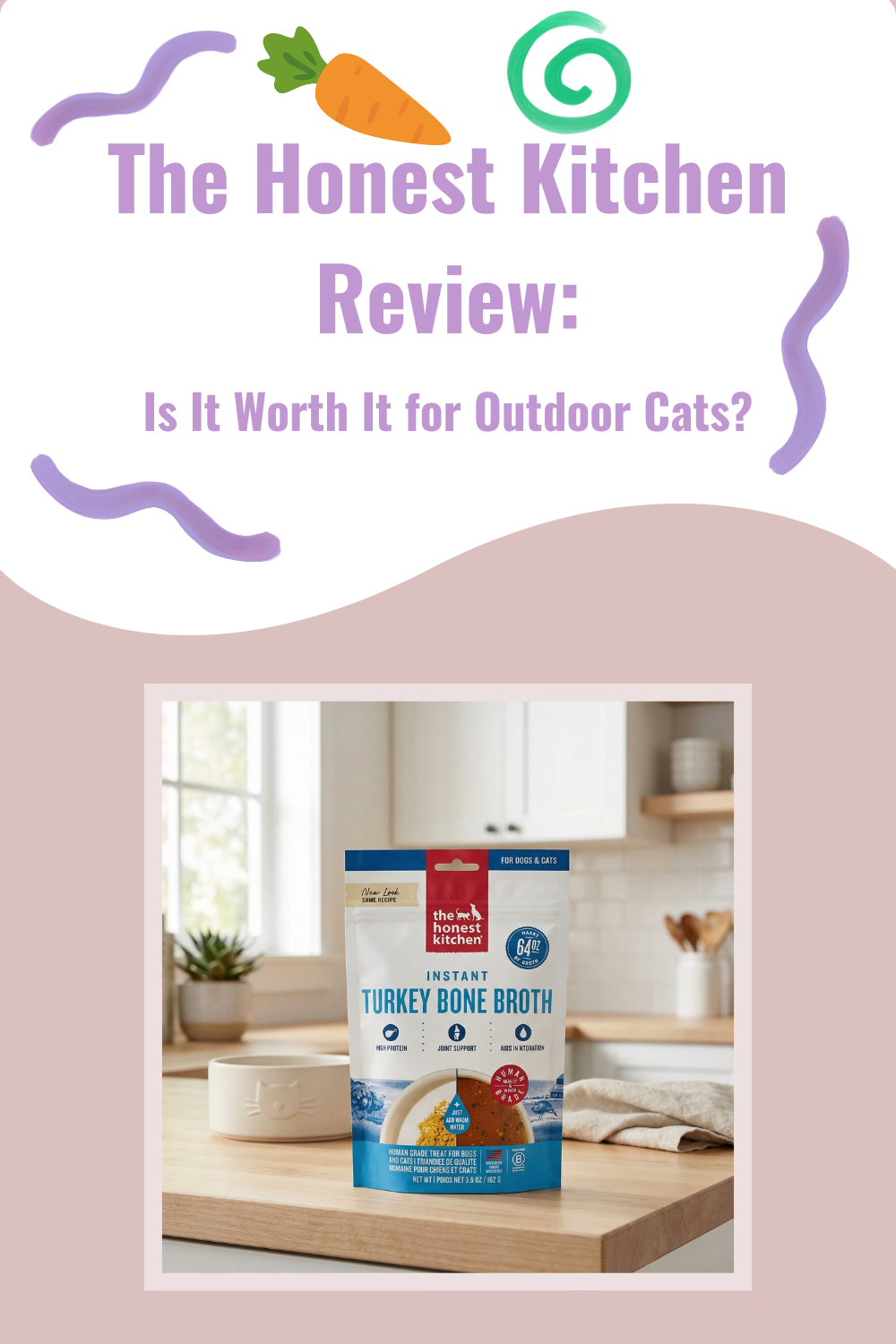
That is why I started looking into The Honest Kitchen. It’s one of the few pet food brands built around whole ingredients instead of heavily processed kibble. The company focuses on human-grade foods, minimal processing, and simple recipes. Those claims sound good on paper, but what really matters is how the food performs in real life.
In this The Honest Kitchen review, I’ll break down what The Honest Kitchen does well, where it falls short, and who it actually makes sense for. If you are feeding outdoor cats, feral cats, or even a mix of indoor and outdoor pets, those details matter more than marketing ever will.

Quick Verdict
Best for: Owners who want whole-ingredient, minimally processed food
Not ideal for: Large multi-cat households on a tight budget
Prep required: Yes, for dehydrated formulas
Overall impression: High quality ingredients, but the price and prep time matter
If you want to check current prices or see available recipes, you can view The Honest Kitchen here:
The Honest Kitchen focuses on simple ingredients and gentle processing. That alone makes it stand out from most dry foods. The trade-off is cost and a little extra work at feeding time.
What The Honest Kitchen Is
The Honest Kitchen is a pet food brand that focuses on whole ingredients and minimal processing. Instead of making traditional kibble, many of their recipes are dehydrated or gently cooked. That means the food keeps more of its natural smell and texture.
Most formulas use real meat, vegetables, and grains you can actually recognize. You won’t see the long lists of by-products and mystery fillers that show up in many cheaper foods.
One thing that sets this brand apart is the human-grade claim. In simple terms, that means the ingredients meet the same basic standards as food made for people. That doesn’t automatically make it perfect, but it does mean the sourcing and handling are held to a higher bar than most pet foods.
The Honest Kitchen makes several types of food:
- Dehydrated meals that you mix with warm water
- Dry cluster-style food made from pressed and roasted ingredients
- Wet toppers, broths, and treats
That variety matters. Some cats and dogs do better with moisture in their diet, especially outdoor animals that don’t always drink enough water.
From my perspective, this kind of food sits in the middle ground. It’s not raw feeding. It’s not typical kibble either. It’s closer to real food, but still shelf-stable and practical for everyday use.
Ingredients and Nutrition: What’s Actually in It
When I review any pet food, this is the part that matters most. Marketing sounds nice, but ingredients tell the real story.
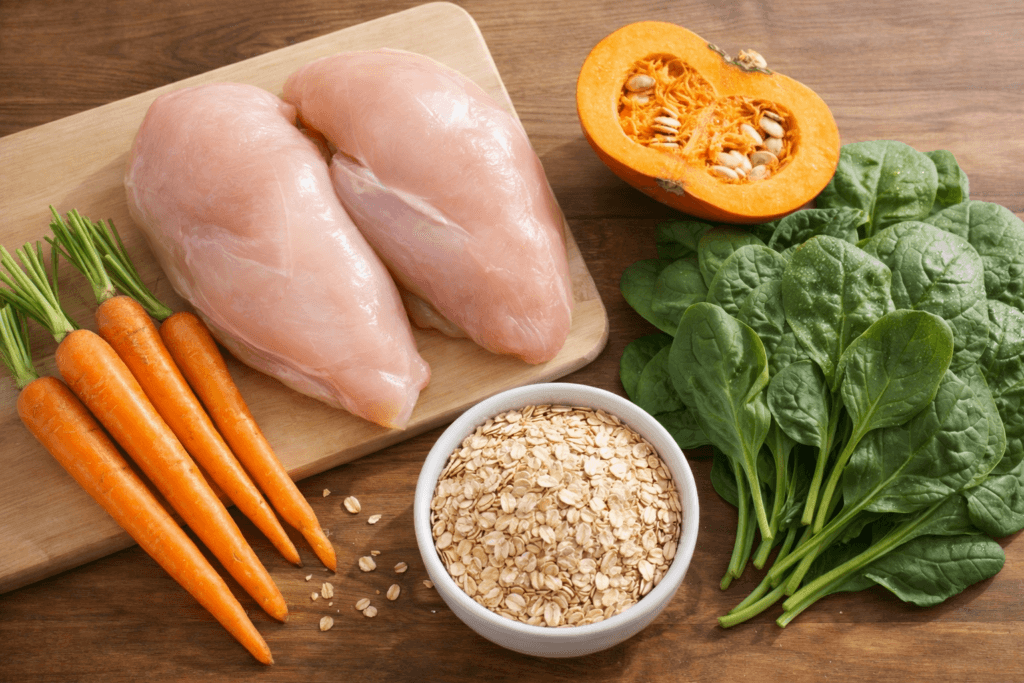
The Honest Kitchen recipes usually start with real meat. Chicken, turkey, beef, or fish are common protein sources. That’s important because cats, especially outdoor cats, rely heavily on animal protein to maintain muscle and energy.
You’ll also see vegetables like carrots, pumpkin, spinach, and sweet potatoes in many formulas. These provide fiber, vitamins, and minerals. Fiber helps digestion, which matters when cats are exposed to stress, parasites, or diet changes outdoors.
Some recipes include grains like oats or barley. Others are grain-free. Grains are not automatically bad for cats, but some animals do better without them. It depends on the individual cat.
One thing I pay attention to is what’s missing. Most Honest Kitchen foods avoid:
- Artificial preservatives
- Artificial colors
- Meat by-products
- Heavy fillers like corn or soy
That doesn’t make a food perfect, but it does remove some of the lower-quality ingredients seen in many budget brands.
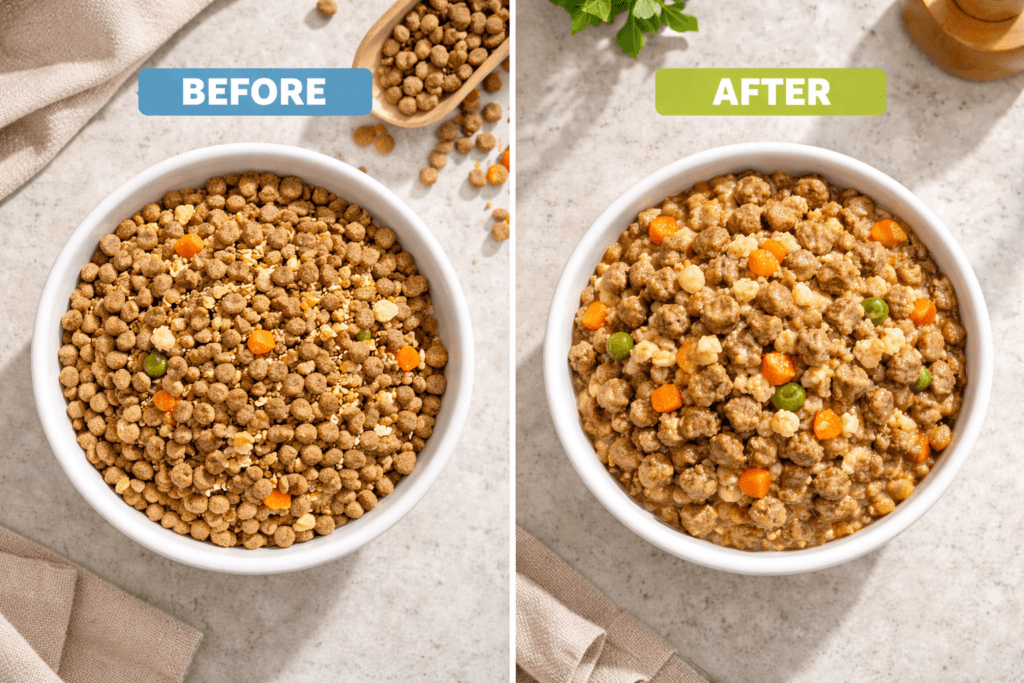
Another point worth mentioning is moisture. Dehydrated foods are mixed with warm water before feeding. That added moisture can help with hydration, which is often a weak point in dry diets. Outdoor cats, in particular, don’t always drink as much water as they should.
Nutritionally, the recipes are formulated to be complete and balanced. That means they are designed to meet standard nutrient requirements when fed as directed. This is important, because whole-food style diets sometimes look healthy but lack balance. That’s not the case here.
From what I’ve seen, the ingredient quality is clearly above average. The main question isn’t whether the food is good. The real question is whether the cost and preparation time make sense for your situation.
What Honest Kitchen Is Like In Real Life
This is where a food either works… or it doesn’t.
Dehydrated Honest Kitchen meals are simple to prepare, but they do take a little planning. You add warm water, stir, and wait a few minutes for the food to soften. It’s not difficult, but it isn’t as fast as scooping kibble either.
The smell is noticeably different from dry food. It smells more like real food, which usually gets a strong response from cats. Picky eaters often show more interest in moist, warm food than in dry pellets.
Texture is softer once mixed. That can be helpful for older cats or cats with dental issues. It also makes it easier for some cats to eat quickly and move on, which matters when feeding outdoors where food shouldn’t sit out long.
Storage is straightforward. The dehydrated food stays shelf-stable until water is added. That makes it easier to keep on hand without worrying about refrigeration or spoilage.
One thing to keep in mind is feeding time outdoors. Wet or rehydrated food should not sit outside for long, especially in warm weather. Wildlife, insects, and bacteria become a problem fast. If you feed outdoor cats, smaller portions and scheduled feeding times work best.
Cost is the other real-world factor. Feeding one or two cats is manageable for most people. Feeding a colony or several outdoor cats can get expensive quickly. That doesn’t mean it isn’t worth using, but it does mean you have to think about how it fits into your routine and budget.
In everyday use, Honest Kitchen sits in an interesting spot. It gives you many of the benefits of fresh-style feeding, but without freezers, thawing, or strict storage rules. For many people, that balance is exactly what makes it practical.
Pros and Cons at a Glance
No food is perfect. Here’s where The Honest Kitchen really shines and where it may not fit every situation.
| Pros | Cons |
|---|---|
| Whole ingredients that are easy to recognize | More expensive than most dry foods |
| Minimal processing compared to typical kibble | Dehydrated recipes require prep time |
| Moisture can help support hydration | Not ideal for feeding large outdoor colonies daily |
| Shelf-stable and easy to store | Rehydrated food cannot sit outside long |
| Strong reputation for ingredient quality | Some cats need a slow transition |
Who The Honest Kitchen Is Best For
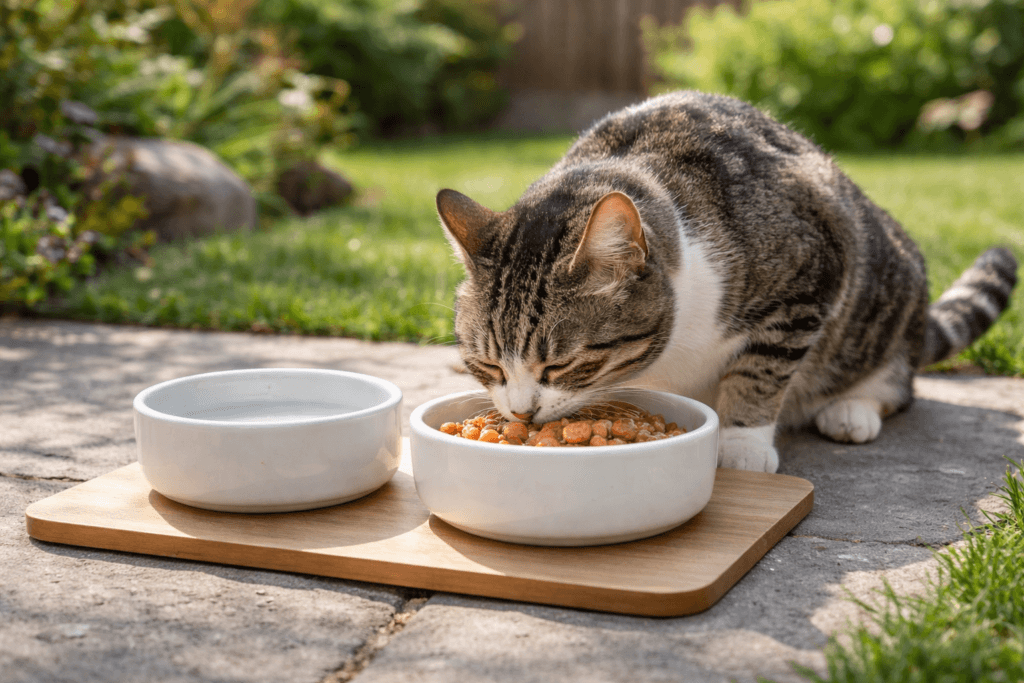
Not every cat owner needs this kind of food. But for some situations, it makes a lot of sense.
I see The Honest Kitchen working best for people who want better ingredients but still need something practical. It gives you many of the benefits of fresher food without dealing with raw diets or frozen storage.
This food can be a good fit if:
- You want fewer fillers and more recognizable ingredients
- You feed one or two cats instead of a large group
- Your cat does better on moist or rehydrated food
- You want a shelf-stable option that still feels close to real food
For outdoor cats, hydration is always a concern. Foods that are mixed with water can help with that, especially in warmer months when cats lose fluids faster.
I also like this type of food for older cats or cats that struggle with dry kibble. Softer texture can make a real difference.
That said, this isn’t a budget food. If you’re feeding multiple outdoor cats every day, cost becomes a real factor. In those cases, I often see people use foods like this as a topper or a few meals per week instead of the main diet.
Sometimes the best approach isn’t all or nothing. It’s using better food where it makes the biggest difference.
Who Should Skip The Honest Kitchen
This food isn’t the best choice for every situation.
If you’re feeding a large group of outdoor cats every day, the cost adds up fast. In that case, it often makes more sense to use a quality kibble as a base and reserve foods like this as a topper.
It may also not be ideal if you want a food you can scoop and serve instantly. Dehydrated meals take a few minutes to prepare, and that extra step isn’t for everyone.
And finally, some cats simply prefer dry food. Even high-quality options don’t work for every animal, and preference always matters.
Price and Value: Is It Worth the Cost?
The Honest Kitchen sits in the premium category. It costs more than most kibble, but less than many fresh or frozen diets.
What you’re paying for is ingredient quality and lighter processing. Whether that’s worth it depends on how you feed.
For one or two cats, many owners find the price reasonable. For several outdoor cats, it often works better as a supplement rather than the main diet.
In my experience, better ingredients usually show up in coat condition, digestion, and energy over time. That’s where higher-quality food starts to justify its price.
If you want to check current prices or see the available recipes, you can view The Honest Kitchen here:
Final Verdict: Is The Honest Kitchen Worth It?
The Honest Kitchen is one of the better quality shelf-stable foods I’ve looked at. The ingredients are simple. The processing is lighter than most kibble. And many cats respond well to the smell and texture once it’s mixed.
For owners feeding one or two cats, it’s a strong option. It gives you better ingredients without the hassle of frozen or raw diets.
For outdoor cats, I see it working best either as a primary food for a small number of cats or as a topper when feeding several.
The biggest downsides are cost and preparation time. But if ingredient quality is your priority, this food is easy to recommend.