
If you’re a cat owner, you’ve probably wondered what you can safely add to your cat’s diet to boost hydration and flavor—especially for picky eaters, seniors, or outdoor cats. That’s where turkey bone broth comes in.
What Is Turkey Bone Broth, and is it actually safe for cats?
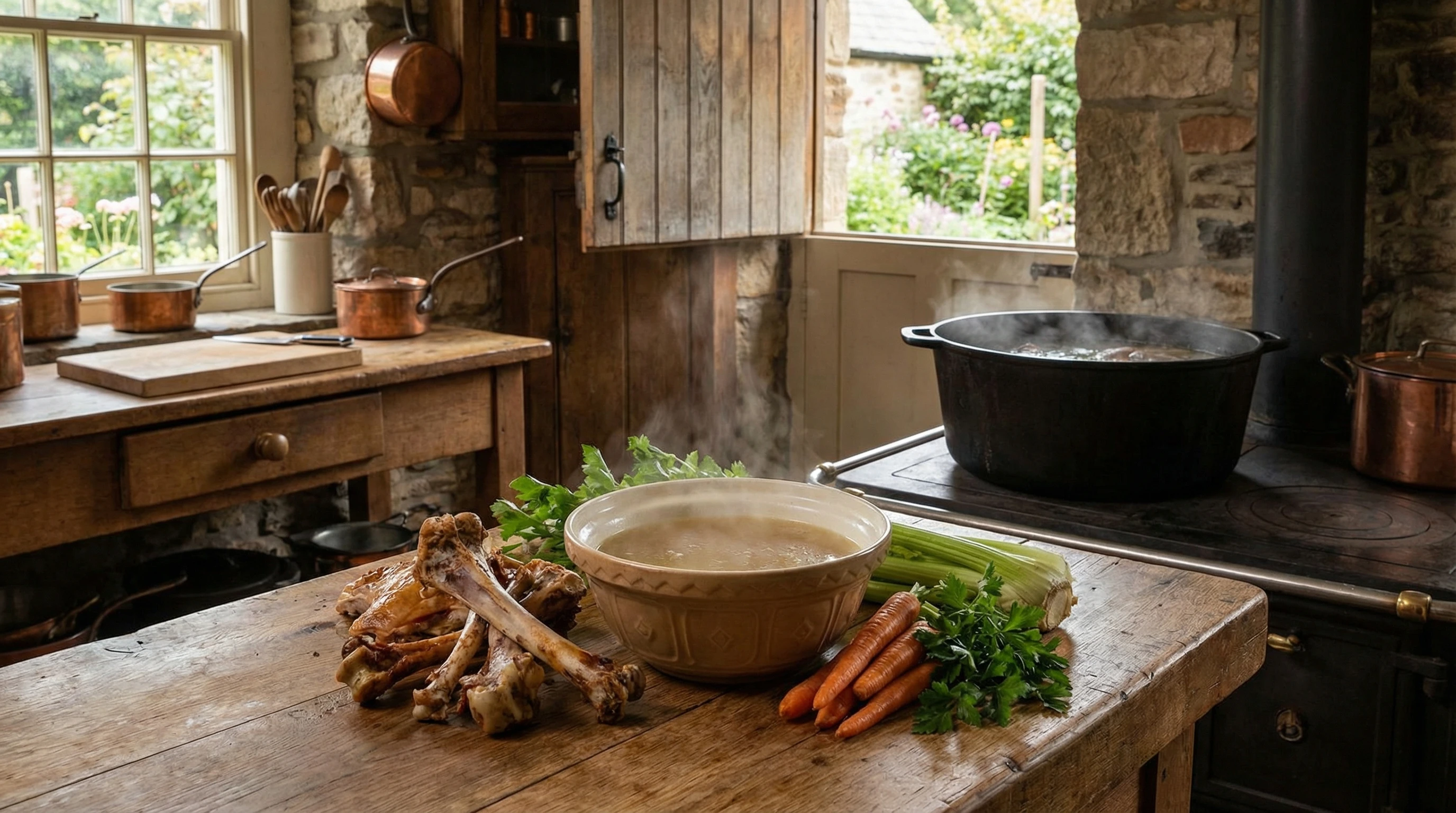
Turkey bone broth is a slow-simmered liquid made from turkey bones, connective tissue, and water. When it’s made plain—no salt, no onions, no garlic—it can be a gentle, hydrating treat for many cats. I’ve found it especially helpful for cats that don’t drink enough water or need a little extra encouragement at mealtime.
Beyond cats, turkey bone broth is also popular with people. It’s rich in gelatin, amino acids, and minerals pulled from the bones during a long simmer. That same process gives the broth its thick, jiggly texture when chilled and its deep, savory flavor.
In this guide, I’ll break down what turkey bone broth is, how it’s different from regular stock, how to make it safely for cats, and how much to serve. If you’re looking for a simple, cat-safe way to add moisture and nutrition to your cat’s routine, you’re in the right place.
Understanding Turkey Bone Broth
Turkey bone broth goes beyond ordinary stock or soup. What sets bone broth apart is how long it’s cooked. The longer the simmer, the more time it has to pull all those minerals, collagen, amino acids, and vitamins from the bones and cartilage. I notice the texture gets thicker and “jiggles” when cold because of the gelatin it picks up during simmering.
The base ingredients include leftover turkey bones (raw or roasted), some meat scraps, water, a splash of apple cider vinegar (to help break down the bones), and optional extras like carrots, celery, parsley, and bay leaf. Everything’s tossed in a big pot or slow cooker, then left to slowly bubble away for between 8 and 24 hours. Some folks use an Instant Pot to speed things up to a couple of hours. Straining out the solids at the end leaves a smooth, protein-rich broth.
Bone broth is an old-school staple across many cultures, popping up in everything from Italian brodos to Vietnamese pho stocks. Making a turkey version is a clever way to use up leftovers after roasting a turkey and skip wasting good bones. Not only does this tradition reduce kitchen waste, but it also brings a satisfying warmth that can be enjoyed year-round.
Why Make Turkey Bone Broth?
Besides delivering way more flavor than water-based soups, turkey bone broth is packed with nutrients. I think it’s pretty handy if you’re looking for a natural source of collagen, gelatin, and minerals like calcium, magnesium, and phosphorus. Sipping a cup of freshly made broth on a cold day feels super comforting. Some folks swear it helps support joint health, skin, and digestion, even though scientific research is still catching up. And let’s not overlook the practical benefits; a homemade bone broth is incredibly versatile, allowing you to get creative in the kitchen by mixing it into grains or using it as a savory base for other dishes.
Here’s a quick breakdown of why turkey bone broth is worth the simmer:
- Protein boost: It gives you easily digested amino acids from gelatin and collagen.
- Mineral-rich: I like knowing I’m getting minerals that help with bone and muscle health.
- Zero waste: Turning bones into broth is a smart way to minimize kitchen waste.
- Flexible use: I use broth for sipping, making soup, or even as a tasty addition to cooked grains and sauces.
Making Turkey Bone Broth at Home
Homemade turkey bone broth is easy to prepare with basic ingredients and simple equipment. Anyone with a stockpot or slow cooker can do it, even if you’re not big on cooking. The process requires a little patience, but the rewards are definitely worth it.
Basic Turkey Bone Broth Recipe:
- Gather cooked or raw turkey bones (including wings, back, and neck). If you have meat scraps, toss them in too.
- Place bones in a large pot. Add chopped onion, carrot, celery, and a splash of apple cider vinegar.
- Fill with enough water to cover. Optionally, add garlic, parsley, peppercorns, or bay leaf for extra flavor.
- Bring to a boil, then reduce to a gentle simmer. Skim off any foam that bubbles up in the first hour.
- Simmer uncovered for 8-24 hours. Add water if too much evaporates.
- Strain out the bones and veggies. Chill the broth; fat rises to the top and can be skimmed off easily.
Store broth in the fridge for a week or freeze it in small containers for later. I love using ice cube trays to portion out small amounts for cooking. Making a big batch ensures you have a stash ready for soup, risotto, or even as a treat for your furry friends.
Tips for Getting the Best Out of Your Broth
Making a rich, flavorful turkey bone broth isn’t tough, but a few tweaks make a big difference:
- Add a little vinegar, like apple cider vinegar, early on to help draw minerals out of the bones.
- Roast the bones first for a deeper flavor. Just pop them in a hot oven until browned.
- A long simmer brings out the most protein and flavor. Go for 12 hours or more if you have the time.
- Don’t oversalt at the start. Wait until the broth is done and adjust seasoning right before serving.
- Strain and cool the broth quickly to keep it fresh and safe to eat.
Turkey bone broth is simple, pretty affordable, and you can tweak the flavor to fit your tastes by changing up the herbs or veggies. Another great tip is to use filtered water for a cleaner taste. Stirring in a few sprigs of fresh herbs at the end gives your broth extra aroma and freshness. Remember, the simpler the ingredient list, the better it is for pets—skip the spices if you’re planning to share with your cat.
Can Cats Have Turkey Bone Broth?
People often wonder if homemade turkey bone broth is safe for their cats. I’ve looked into it and found that bone broth can be a tasty, hydrating treat for many cats, as long as there are no added onions, garlic, or salt, since those can be harmful to pets. Homemade broth where you control the ingredients is the best option. Plenty of pet owners use unsalted, plain turkey bone broth to encourage picky cats to drink more, support digestion, and add variety to meals.
Stick with short ingredient lists: just bones, water, a small amount of catsafe vegetables, and no seasoning. Avoid store-bought broths that often contain salt, onions, and artificial flavors. If you’re not sure, chat with your vet before adding new foods to your cat’s diet. When introducing anything new, start with just a teaspoon and watch how your cat reacts to avoid upsetting sensitive stomachs.
Which Bone Broth Is Safe for Cats?
Homemade broths from turkey, chicken, or beef bones are generally safe for cats if they’re made using safe ingredients; no salt, onions, garlic, or high-fat bits. Many pet food companies now make commercial bone broth specifically for cats. I always check for products that say “no added salt or seasonings” and verify the ingredients myself.
- Turkey bone broth: A gentle, mild choice, great for most cats.
- Chicken bone broth: Another popular cat-safe option, especially for sensitive stomachs.
- Beef bone broth: Thicker and richer, still safe if made simply.
The real key is to doublecheck each ingredient; no onions, garlic, seasonings, or preservatives. Veterinary sources like the ASPCA Pet Poison Control always have up-to-date lists of safe foods for pets in case you want a reference. When choosing a commercial option, prioritize simplicity and transparency in the ingredient list for your pet’s safety.
Is Turkey Inflammatory for Cats?
Turkey itself is generally considered a low-inflammation protein for most cats. In fact, lean, cooked turkey is a common ingredient in many cat foods because it’s easy to digest and less likely to cause allergies than beef or dairy. Adding bone broth made from turkey serves up additional nutrients without adding ingredients likely to upset your cat’s stomach, as long as it’s made plain and not with fatty or seasoned skin.
Cats with certain autoimmune disorders or sensitivities can sometimes react to new proteins, but that’s unusual with turkey. If your cat is prone to allergies or sensitive digestion, start with a small amount and watch for any changes in behavior, stool, or appetite. If you’re worried about inflammation, your vet can help you pick the best diet for your cat’s unique needs. For cats that have shown signs of food sensitivities in the past, start even more slowly and consult your vet for tailored guidance.
Can You Give Bone Broth to Cats Every Day?
Plain, homemade bone broth can be offered daily as a supplement to your cat’s regular diet, as long as you stick with small amounts and make sure it’s free from anything that could harm them. I usually serve a tablespoon or two mixed into wet food or drizzled over kibble to add flavor, moisture, and a gentle nutrient boost.
Overdoing bone broth isn’t a great idea. Because it’s high in some minerals like phosphorus, balance is important; too much can throw off your cat’s diet. Broth should be an occasional treat or supplement, not a full meal replacement.
Store-bought broths made for people usually aren’t safe for daily use because they tend to have added salt, spices, and flavorings. Whenever in doubt, keep portions small and talk with your vet if you plan to add anything new to your cat’s diet long-term. Consistency is key, so monitor your cat’s health and hydration if you introduce broth as a daily routine.
Frequently Asked Questions
Here are a few questions I’m often asked about turkey bone broth and pets:
Is turkey bone broth good for sick or senior cats?
Yes. If you make it plain and safe, the gentle nutrition and hydration can be helpful for cats who are picky, sick, or recovering. Always check with your vet about any special health conditions before offering new foods.
Can I feed turkey bone broth to kittens?
Kittens can enjoy a little plain bone broth for moisture and flavor, but it shouldn’t replace their main balanced kitten food. Start slow and watch for any signs of a tummy upset.
What’s the difference between stock and bone broth?
Stock usually cooks for a short time and might not have as much gelatin or nutrition as slow-cooked bone broth. Bone broth simmers for hours, drawing more nutrients from the bones and connective tissue.
Bringing It All Together
Turkey bone broth is tasty, nutritious, and easier to make than most people think. Whether you’re using up leftovers or hunting for a new way to boost your meals (or your cat’s dinner!), a batch of bone broth is always a good idea. Just keep your recipes simple and pet-safe if you plan on sharing, and check in with your vet for any dietary tweaks.
Want an easier way to make turkey bone broth for your furry friend? Here’s how you can.

That’s pretty much all you need to start enjoying those cozy, soothing cups of broth at home. Experimenting with fresh herbs or mixing small amounts into your favorite dishes can make mealtime even more delightful for you and your furry companions. With a little creativity and care, turkey bone broth can quickly become a staple in both human and pet kitchens.