Zero waste is a growing movement, but bringing a pet into the mix adds its own set of unique challenges. Treats, toys, grooming tools, litter, waste bags—the list of supplies and packaging piles up. I’ve spent plenty of time looking for practical ways to reduce my pet’s environmental footprint without missing out on what truly matters: their health, comfort, and happiness. Here’s a look at how you can bring the zero-waste mindset into your pet care routine and make it stick for you and your furry friend.
Why Go Zero Waste With Your Pet?
Pets are part of the family, and just like the rest of us, their daily habits create waste. According to studies, the environmental impact of pets in the United States alone is equal to millions of tons of plastic waste every year, just from food packaging, toys, cat litter, and single-use products. That’s a lot of trash headed for landfills.
Choosing a zero-waste route for your pet isn’t about perfection. It’s more about creating new habits that focus on reducing waste over time, and you’ll probably stumble upon some money-saving benefits in the process. Small changes can make a big impact, especially as more people get on board with ecofriendly pet care.
Key Areas of Zero Waste Pet Care
Looking at your pet’s needs and supplies, you’ll notice a few main areas that create the most waste. Tackling these first is a pretty efficient way to cut down on your trash output. Here’s where I started:
- Food and Treats: Most commercial food and treat options come in single-use packaging. Bulk buying, homemade treats, and simple swaps help reduce waste.
- Toys: Mass-produced plastic toys break easily and can’t be recycled in most places. DIY or sustainable materials are better options.
- Grooming: Shampoos, brushes, and wipes usually come wrapped in plastic. There are reusable versions out there worth checking out.
- Waste Management: Litter, poop bags, and bedding all add up. Switching to compostable or reusable options makes a noticeable difference.
How to Get Started With Zero Waste Pet Care
Making changes to your pet’s routine doesn’t have to be overwhelming. Pick one area, try it out, and move on when you’re ready for more. Here are some easy entry points I found useful:
- Bulk and Package-Free Food: Look for local pet stores that offer kibble, treats, or chews in bulk. Bring your own containers to fill and skip the packaging entirely. This is easier for dogs, but some stores carry packagefree options for cats, small critters, and even fish.
- Homemade Treats: Making snacks at home lets you control ingredients and cut out packaging. Peanut butter dog biscuits or tuna cat treats are quick to whip up and you can store them in glass jars.
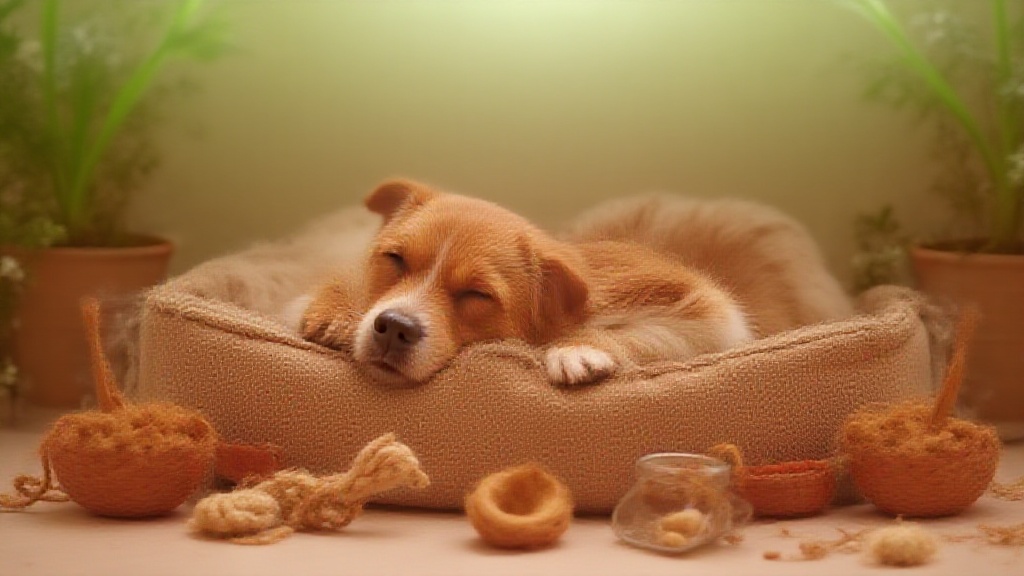
- Choose Natural Toys: Opt for toys made from sturdy natural materials: cotton, wool, hemp rope, or untreated wood. Even better, try making toys from old t-shirts, socks, or towels that would otherwise go in the trash.
- Swap Single-Use For Reusables: Pet wipes, training pads, and grooming mitts all have reusable alternatives. I swapped disposable wipes for a set of washable cloths, and they’ve held up great with regular cleaning.
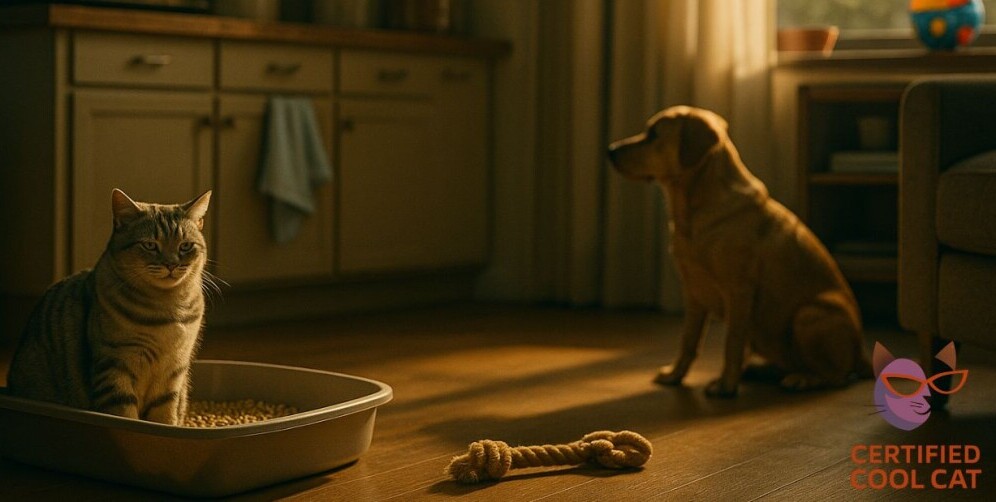
- Eco friendly Waste Solutions: Compostable dog waste bags are getting easier to find. If you have a backyard, look into home pet waste composters. For cats, natural litters made from wood, wheat, or paper break down better and usually have less packaging.
Common Hurdles With Zero Waste Pet Parenting
It’s not too hard to see where some of the biggest bumps pop up. I ran into most of these myself, so here’s how I tackled them:
- Special Diets: Some pets need prescription or specialty foods. If package-free isn’t available, look for the largest bag or can to cut down on packaging. Check if the company has a recycling program for empty packaging.
- Stubborn Toy Preferences: My dog can be picky. I had to try a couple different materials before landing on one he actually played with. Sometimes involving your pet in picking a new toy helps.
- Litter Box CleanUp: Switching to natural litter can be a process, since many cats are particular. I mixed old and new litters for a while before fully switching over.
- Time and Convenience: DIY takes more effort. Batch-making treats or prepping toys all at once saved time later. Having a few reusable wipes or pads ready helps, too, so you’re not doing laundry every day.
Food Packaging
Pet food bags are rarely recyclable, and canned options add up. I found that focusing on bulk buys or joining community pet food coops let me split costs and waste with friends. Some brands even take back used packaging through mail-in programs; it’s worth searching for those options before tossing bags in the trash.
Toys That Last
The lifespan of pet toys is usually pretty short. I started rotating a few tough, natural fiber toys and removed broken items right away to avoid any safety issues. Homemade toys stretch your creativity and use up old fabric or socks. If a toy isn’t working, consider donating it to a shelter instead of trashing it.
Pet Waste
Pet waste is a pain point. For dogs, compostable waste bags or a backyard “digester” keep things easier on the environment. For cats, wood pellets or paper-based litters work well, and they go further than you’d think. Some brands even ship litter in cardboard boxes that you can recycle once emptied.
Grooming Supplies
Shampoos, conditioners, and sprays can all be refilled at bulk stores if you’re lucky enough to have them nearby. I’ve also found castile soap works in a pinch; it’s gentle and comes in bulk options.
None of these changes demanded an instant overhaul. Trying out just one or two swaps every couple of months is an easy way to make progress without getting stuck.
Simple Tips to Take Up a Notch Your Zero Waste Pet Routine
Moving beyond the basics, a few extra steps make things even greener. These bonus habits can help stretch your zero waste goals a bit further:
Borrow Before Buying: If you’re unsure about something (like a bed, a larger crate, or interactive toys), see if you can borrow them from friends or pet gear libraries before buying new.
Support Local and Sustainable: Buying from small businesses means less shipping and packaging, and you’ll often find handmade or eco-conscious pet goods.
Repair, Don’t Replace: Before getting rid of worn beds or harnesses, see if they can be patched up or repaired. Even leashes and collars can sometimes get a second life with basic sewing skills.
Embrace Minimalism: Pets don’t need a ton of stuff. Sticking to a few highquality basics often means less waste over time and happier pets who aren’t overwhelmed with gadgets and gear.
Choose Biodegradable Cleaning Tools: Along with reusable wipes, try to use brushes, combs, or lint rollers made from wood or other biodegradable materials instead of plastic.
Join Pet Swap Events: Many communities hold pet gear swaps. This means your old gear gets reused, and you might stumble upon needed items without buying new.
Zero Waste Pet Gear: The Real-World Impact
The products and choices you make have effects that reach further than just your household. When you switch to package-free kibble and reusable wipes, you’ll notice your trash bins are lighter every week. My vet actually commented on fewer allergy flareups once I stopped using scented disposable grooming wipes.
- Bulk Food Shopping: Cuts out a big source of plastic and lets you measure right-sized portions, reducing spoilage and waste.
- Natural Toy Options: Less microplastic pollution, and toys made from hemp, wool, or rubber don’t leave fragments behind.
- Eco-Friendly Waste Solutions: Keep plastics out of landfills, and composting at home supports a healthy yard if you manage it safely.
- Minimal Gear: Fewer purchases mean less shipping waste, and you’ll typically spend less money overall.
Frequently Asked Questions
Zero waste pet parenting definitely raises a few questions. Here’s what people usually ask :
Question: What’s the easiest zero waste swap for pet care?
Answer: Switching to reusable pet wipes or compostable dog bags is usually quick and really noticeable. Making DIY treats is a fun intro if you like baking.
Question: Is zero waste pet care safe and healthy?
Answer: Absolutely. Just make sure you’re picking safe, vet-approved products. Homemade foods or treats should be simple and avoid ingredients that could harm your pet.
Question: How do I recycle pet food bags and cans?
Answer: Some food brands offer mail-in recycling or reuse programs. Metal cans can usually go in household recycling, but check local rules for pet food bags because they often include plastic liners.
Zero Waste With Pets: Small Steps Matter
Moving towards a zero-waste routine for your pet won’t look exactly the same for everyone, but every small change definitely helps. Reducing plastic packaging, making homemade treats, swapping to natural toys, and picking reusable grooming supplies all chip away at waste. While perfection isn’t possible, building a handful of these habits means a happier pet and a lighter environmental footprint for all.
Choosing even one new zero waste trick this month is worth celebrating—for you, your pet, and the planet.